
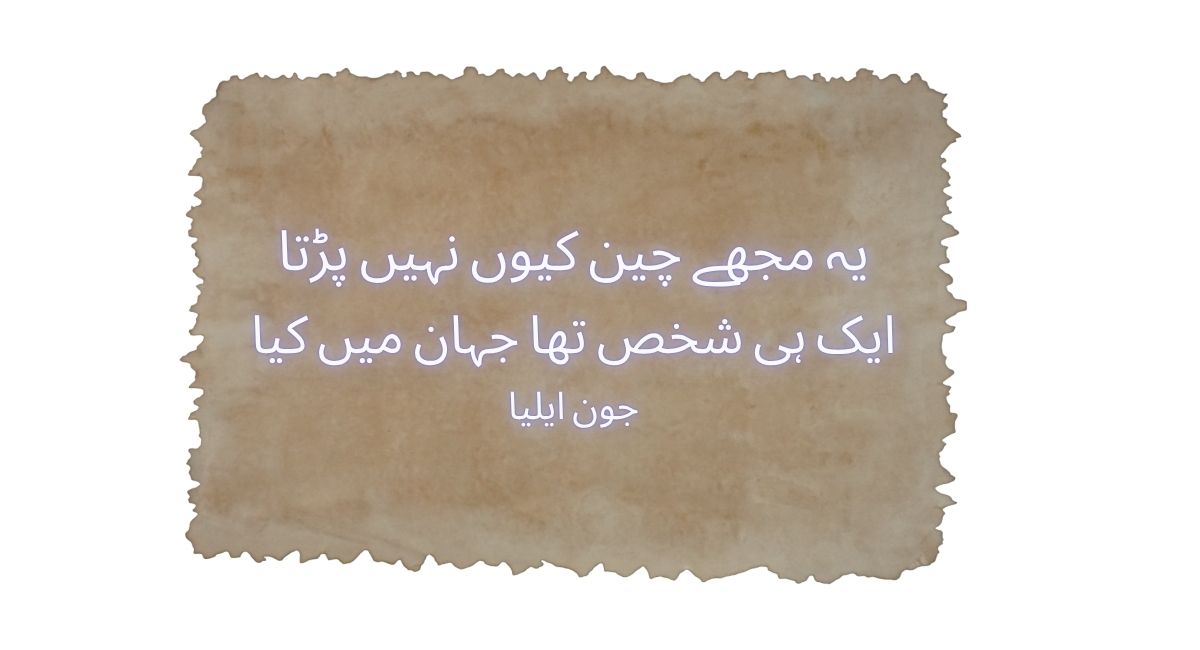
There is a particular kind of silence that follows a heartbreak not the silence of an empty room, but the silence inside a person who has just lost someone they built a world around. In that silence, words from someone else’s pen often say what we cannot say ourselves. This is the quiet power of broken heart Urdu poetry: centuries of poets kings, mystics, lovers, and wanderers have already felt this exact ache and turned it into ashaar (couplets) that still feel newly written every time a heart breaks again.
If you came here searching for toota hua dil (broken heart) poetry to read, copy, or send to someone, you are in good company. Urdu poetry has always treated heartbreak not as weakness, but as a kind of truth proof that you loved with your whole chest. This guide brings together shayari, ghazals, nazms, and ashaar about heartbreak, separation, betrayal, and healing organized so you can find exactly the lines your heart needs right now.
What Is Broken Heart Urdu Poetry?
Broken heart Urdu poetry (toote hue dil ki shayari) is a branch of Urdu literary expression found in ghazal (lyrical couplet form), nazm (structured poem), and standalone shayari that gives voice to the pain of lost love, separation, betrayal, and longing. It uses recurring imagery such as the wounded heart (dil-e-zaar), tears (ashk), wounds (zakhm), and the beloved’s memory (yaad) to turn private grief into shared, recognizable emotion.
Unlike casual sad quotes, this poetry sits inside a tradition shaped by poets who treated heartbreak (gham-e-dil) as a doorway to deeper truths about love, loyalty, and the self.
The Urdu Tradition Behind Heartbreak Poetry
Urdu poetry has carried the language of heartbreak for over two hundred years, and a handful of names are inseparable from it.
| Poet | Era | Known For |
|---|---|---|
| Mir Taqi Mir | 18th century | The melancholic, intimate tone often called dard ki shayari (poetry of pain) |
| Mirza Ghalib | 19th century | Philosophical heartbreak, fusing personal loss with questions about fate and existence |
| Faiz Ahmed Faiz | 20th century | Blended personal heartbreak with social and political longing |
| Ahmad Faraz | 20th century | Romantic, conversational heartbreak that reads like a letter to a lost love |
| Jaun Elia | 20th century | Raw, almost confrontational pain, often laced with bitterness and self-awareness |
| Parveen Shakir | 20th century | Gave heartbreak a distinctly feminine voice — tender, sharp, and deeply personal |
These poets didn’t just write about heartbreak they gave Urdu its vocabulary for it: words like bewafa (unfaithful), judaai (separation), firaaq (parting), and intezaar (waiting) carry emotional weight today because of how these writers used them. (If you want to read their original ghazals, look for their published diwans or licensed anthologies this guide focuses on fresh, original verses inspired by the same tradition, so you always have new lines to share.)
2-Line Broken Heart Poetry (Do Misray)
Two-line shayari is the most shared format on WhatsApp and Instagram short enough to copy in a second, deep enough to say everything.
Theme: Pain (Dard)
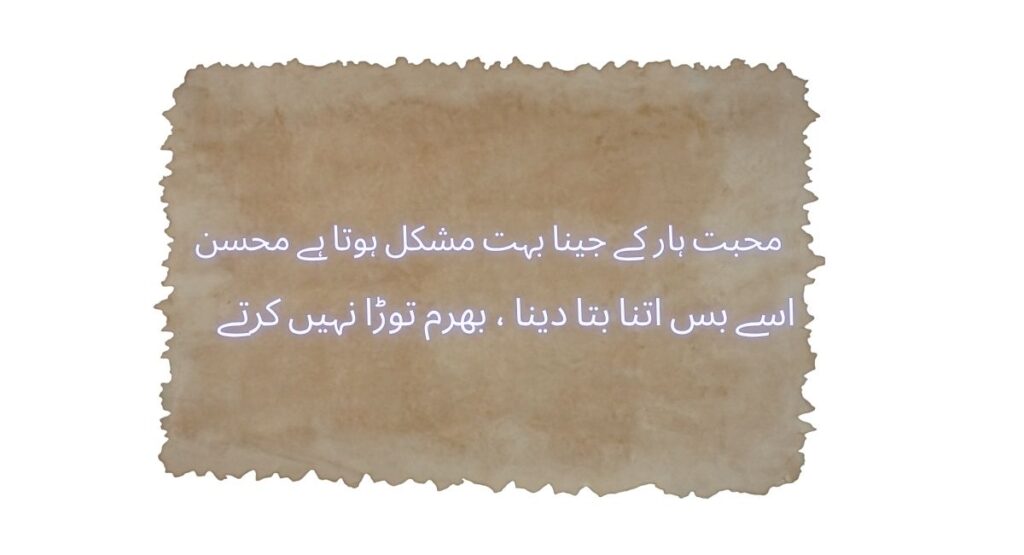
دل ٹوٹا تو احساس ہوا، الفاظ سے زیادہ خاموشی بولتی ہے
Dil toota to ehsaas hua, alfaaz se zyada khaamoshi bolti hai
(When the heart broke, I realised — silence speaks louder than words.)
ہر مسکراہٹ کے پیچھے ایک کہانی چھپی ہوتی ہے، میری مسکراہٹ کے پیچھے تم ہو
Har muskurahat ke peeche ek kahani chhupi hoti hai, meri muskurahat ke peeche tum ho
(Every smile hides a story — behind mine, it’s you.)
Theme: Betrayal (Bewafai)
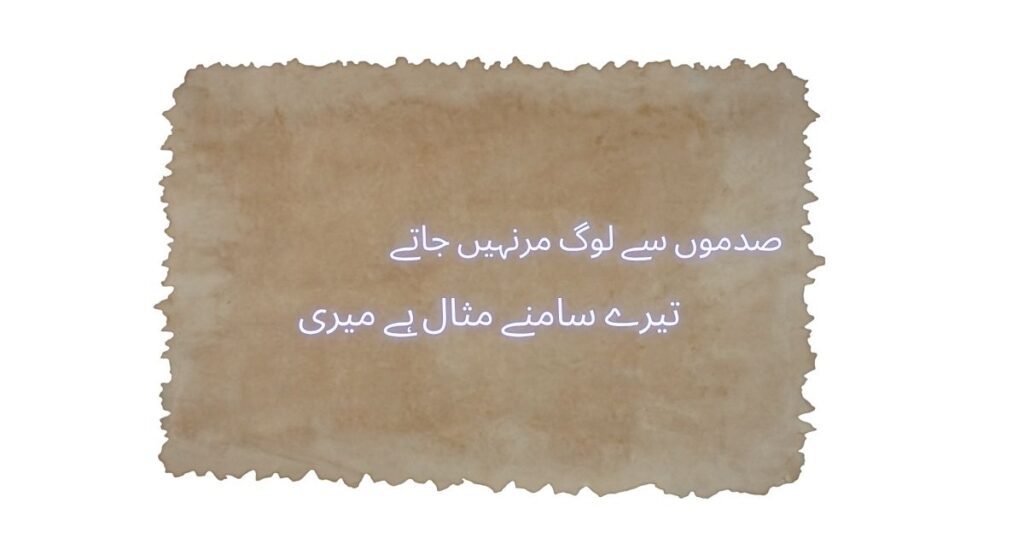
تم نے وفا کا نام لیا تھا، نکلا وہ صرف ایک لفظ تھا
Tum ne wafa ka naam liya tha, nikla woh sirf ek lafz tha
(You spoke the word loyalty it turned out to be just that, a word.)
جسے سب کچھ سمجھ کر اپنایا، اس نے مجھے کچھ بھی نہ سمجھا
Jise sab kuchh samajh kar apnaya, us ne mujhe kuchh bhi na samjha
(The one I made my everything, never thought of me as anything.)
Theme: Memories (Yaadein)
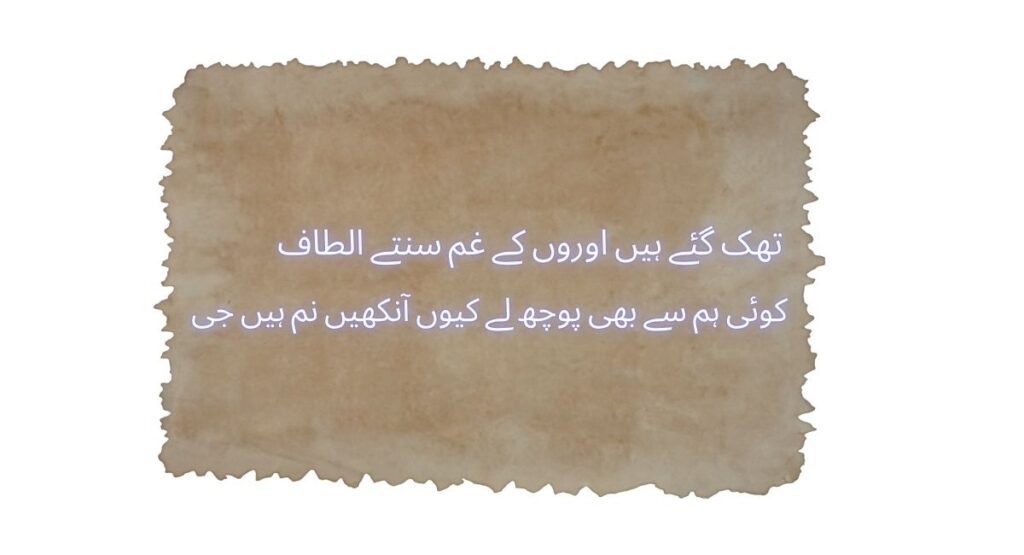
تیری یاد آتی ہے بے وقت، جیسے بارش بنا برسات کے
Teri yaad aati hai be-waqt, jaise baarish bina barsaat ke
(Your memory arrives uninvited — like rain without a season.)
Theme: Loneliness (Tanhai)
اب کمرے میں صرف میں ہوں اور تمہاری خالی جگہ
Ab kamre mein sirf main hoon aur tumhari khaali jagah
(Now it’s just me in this room, and the empty space you left.)
Theme: Healing (Sukoon)
ٹوٹے ہوئے دل نے ہی مجھے سکھایا کہ خود کو کیسے جوڑا جاتا ہے
Toote hue dil ne hi mujhe sikhaya ke khud ko kaise joda jata hai
(It was my broken heart that taught me how to put myself back together.)
4-Line Broken Heart Poetry (Chaar Misray)
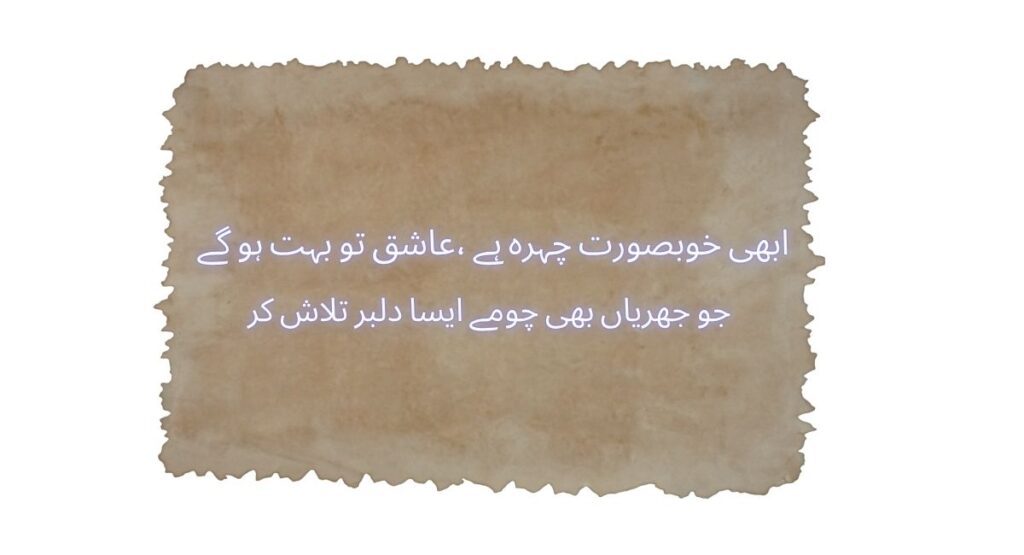
Four-line verses give a little more room to build an image before the final, heaviest line lands.
Pain
دل میں ایک خواہش تھی کہ تم لوٹ آؤ آنکھوں میں ایک امید تھی کہ شاید سب ٹھیک ہو جائے مگر وقت نے دونوں کو خاموشی سے دفن کر دیا اور میں اب صرف یادوں سے باتیں کرتا ہوں
Dil mein ek khwahish thi ke tum laut aao Aankhon mein ek umeed thi ke shayad sab theek ho jaye Magar waqt ne dono ko khaamoshi se dafan kar diya Aur main ab sirf yaadon se baatein karta hoon
(My heart hoped you’d return, my eyes believed things could mend but time quietly buried both, and now I only speak to memories.)
Betrayal
تم نے وعدوں کی شکل میں مجھے دھوکا دیا میں نے یقین کی شکل میں خود کو ہار دیا اب جب سچ سامنے آیا تو دیر ہو چکی تھی دل ٹوٹ چکا تھا اور تم جا چکے تھے
Tum ne waadon ki shakal mein mujhe dhoka diya Main ne yaqeen ki shakal mein khud ko haar diya Ab jab sach saamne aaya to der ho chuki thi Dil toot chuka tha aur tum ja chuke the
(You betrayed me dressed as promises, I lost myself dressed as trust by the time the truth arrived, my heart was already broken and you were already gone.)
Healing
میں نے ٹوٹنے کو ہار نہیں سمجھا بلکہ خود کو نئے سرے سے جینا سیکھا ہر زخم نے مجھے تھوڑا مضبوط بنایا اور آج میں اپنی ہی کہانی کا ہیرو ہوں
Main ne tootne ko haar nahin samjha Balke khud ko naye sire se jeena seekha Har zakhm ne mujhe thoda mazboot banaya Aur aaj main apni hi kahani ka hero hoon
(I never saw breaking as losing I learned to live again. Every wound made me a little stronger, and today I am the hero of my own story.)
Heart-Touching Poetry (Dil Ko Chhoo Lene Wali Shayari)
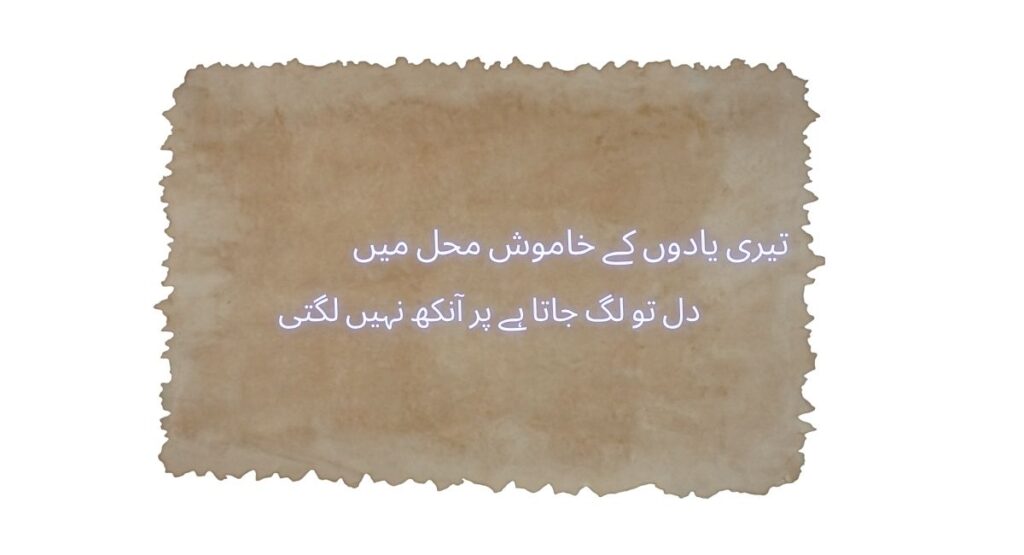
These longer verses sit between shayari and nazm meant to be read slowly, not just shared quickly.
کبھی کبھی محبت میں ہار جانا بھی ایک طرح کی فتح ہوتی ہے، کیونکہ ہار کر ہی پتا چلتا ہے کہ ہم نے کس قدر سچائی سے محبت کی تھی۔ دل ٹوٹنے کا دکھ اس بات کا ثبوت ہے کہ ہم نے دل سے چاہا تھا، ادھورے دل سے نہیں۔
Kabhi kabhi mohabbat mein haar jaana bhi ek tarah ki fateh hoti hai, Kyunke haar kar hi pata chalta hai ke hum ne kis qadar sachai se mohabbat ki thi. Dil tootne ka dukh is baat ka saboot hai ke hum ne dil se chaha tha, Adhoore dil se nahin.
(Sometimes losing in love is its own kind of victory because it’s only in losing that we see how truly we loved. The pain of a broken heart proves we loved completely, not halfway.)
Breakup Poetry (Judaai Ki Shayari)
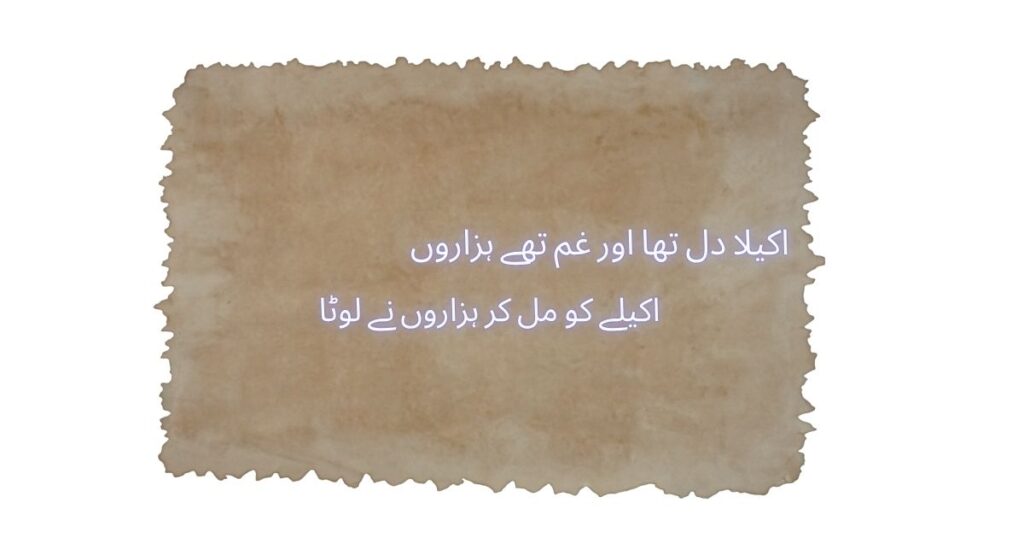
Breakup poetry focuses on the moment of parting itself the conversation, the silence after, the first night alone.
الفاظ نہیں تھے ہمارے پاس، صرف خاموشی تھی جو سب کہہ گئی
Alfaaz nahin the hamare paas, sirf khaamoshi thi jo sab keh gayi
(We had no words only silence, and it said everything.)
آخری ملاقات میں ہم نے ایک دوسرے کی آنکھوں میں جھوٹ ڈھونڈا اور سچ یہ نکلا کہ محبت ختم ہو چکی تھی، بس اعلان باقی تھا
Aakhri mulaqat mein hum ne ek dusre ki aankhon mein jhoot dhoonda Aur sach yeh nikla ke mohabbat khatam ho chuki thi, bas elaan baqi tha
(In our last meeting, we searched each other’s eyes for lies the truth was love had already ended; only the announcement remained.)
Bewafa Poetry (Poetry of Disloyalty)
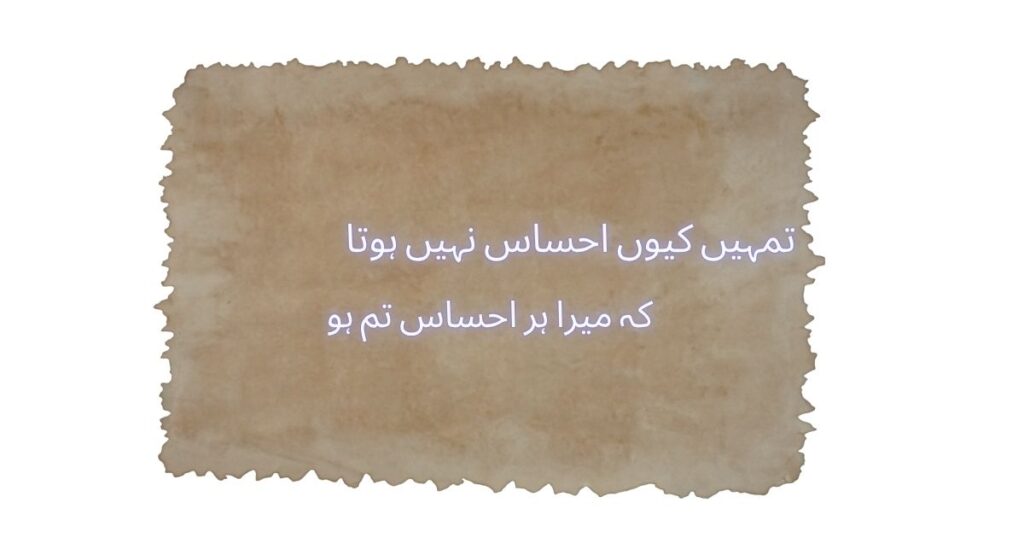
Bewafa poetry speaks directly to the wound of being left for someone, or something, else.
تم بے وفا نکلے تو حیرانی نہیں ہوئی، حیرانی یہ تھی کہ میں آخری وقت تک وفا کرتا رہا
Tum bewafa nikle to hairani nahin hui, hairani yeh thi ke main aakhri waqt tak wafa karta raha
(Your disloyalty didn’t surprise me what surprised me was my own loyalty, right to the end.)
بے وفائی کا الزام تم پر نہیں، اعتبار کا قصور میرا تھا
Bewafai ka ilzaam tum par nahin, aitbaar ka qasoor mera tha
(The fault isn’t your disloyalty it was my mistake of trusting too much.)
Heartbreak Quotes & Status Lines
Short, punchy lines built for captions, statuses, and quick sharing.
For WhatsApp Status
- “Dil toota hai, awaaz nahin aayi lekin sab kuchh badal gaya.” (The heart broke silently but everything changed.)
- “Muskurahat ab bhi wahi hai, dil bilkul alag hai.” (The smile is the same; the heart is completely different.)
For Instagram Captions
- “Kabhi kabhi door jaana hi sabse khoobsurat alvida hota hai.” (Sometimes walking away is the most graceful goodbye.)
- “Toota hua dil bhi mohabbat ka sabse sachcha gawah hota hai.” (Even a broken heart is the truest witness to love.)
For Facebook Status
- “Jo dil tootne se darte hain, woh kabhi mohabbat se mil ke nahin guzre.” (Those afraid of a broken heart have never truly walked through love.)
How to Use This Poetry
As a WhatsApp or Instagram status: Pick a 2-line verse that matches your exact mood pain, betrayal, or healing and post it without explanation. Urdu poetry is often most powerful when it speaks for you, unannounced.
As a caption under a photo: Pair a 4-line verse with a quiet, personal photo (a window, an empty chair, a sunset) rather than a selfie the contrast between the image and the words deepens the emotion.
As a private message or dedication: If you’re sending a verse to someone an ex, a friend going through heartbreak, or even to yourself in a journal the 4-line and longer pieces tend to land more meaningfully than quick one-liners.
At gatherings or mehfils: If you recite shayari aloud, pause after the first line (the misra-e-oola) before delivering the second this is the traditional tarz (style) of reciting Urdu couplets and gives the audience a beat to react.
For healing, not reopening wounds: Choose verses from the “Healing” section when you want comfort rather than verses from “Betrayal” both are valid, but they serve very different emotional needs.
Why This Poetry Resonates: A Closer Look
A few of the verses above lean on classic Urdu poetic devices worth noticing:
- Tashbeeh (simile): Comparing memory to “rain without a season” creates an image of something arriving without warning or logic exactly how memory works after heartbreak.
- Tazaad (contrast): Lines like “the smile is the same, the heart is completely different” use direct contrast to show the gap between what’s shown to the world and what’s actually felt.
- Takrar (repetition) of key words such as dil (heart), wafa (loyalty), and yaad (memory) this repetition across verses is intentional; these words function as emotional anchors throughout the whole Urdu poetic tradition, not just in any single poem.
Understanding these devices doesn’t make the poetry feel less personal if anything, it shows how deliberately these poets (and the tradition they built) chose every word to make pain feel shareable.
Frequently Asked Questions
What is broken heart Urdu poetry? It’s a category of Urdu shayari, ghazal, and nazm focused on the pain of lost love, separation, and betrayal using recurring imagery like the wounded heart, tears, and memory to express grief in a way that feels both personal and universal.
Which poet is most famous for heartbreak poetry in Urdu? Mirza Ghalib, Mir Taqi Mir, Faiz Ahmed Faiz, Ahmad Faraz, Jaun Elia, and Parveen Shakir are widely regarded as the most influential voices associated with heartbreak and longing in Urdu literature, each bringing a distinct emotional tone to the theme.
What are the best 2-line broken heart poems? The most effective 2-line poems pair a simple, relatable image (silence, an empty room, a smile) with an emotional twist in the second line. Short verses about silence, memory, and loyalty tend to be shared most often because they apply to almost any heartbreak.
How can I copy and share this Urdu poetry? You can copy any verse above directly both the Urdu script and Roman Urdu transliteration are provided so you can use whichever you’re more comfortable typing or reading, whether for WhatsApp, Instagram, or Facebook.
What’s the difference between shayari, ghazal, and nazm? Shayari is a general term for Urdu poetry, often short and standalone. A ghazal is a structured form made of independent couplets (sher) that share a rhyme and refrain. A nazm is a poem with a single continuous theme from beginning to end, more like Western poetry in structure.
What does “bewafa” mean in Urdu poetry? Bewafa means “unfaithful” or “disloyal.” It’s one of the most common words in heartbreak shayari, usually referring to a beloved who broke trust or left.
Is it okay to send broken heart poetry to an ex? That depends on your intent and your relationship’s history. If the goal is closure or honest expression, a calm, healing-themed verse is usually safer than one focused on blame or betrayal, which can reopen conflict rather than offer peace.
Why does Urdu poetry use words like “dil” and “zakhm” so often? These words heart (dil) and wound (zakhm) function as emotional shorthand built up over centuries of poetic tradition. Using them connects a new verse to a much older, shared emotional vocabulary that readers instantly recognize.
Can heartbreak poetry actually help with healing? Many people find that reading or writing poetry about pain helps externalize feelings that are hard to put into their own words, which can make the emotion feel more manageable rather than overwhelming. It isn’t a substitute for support from people you trust, but it can be a meaningful part of processing grief.
What’s a good 2-line poem for Instagram captions? Short pain or memory-themed couplets work especially well as captions because they’re vague enough to apply broadly but specific enough to feel personal pair them with a simple, mood-matching image rather than text overlays.
Are these poems original or from famous poets? The verses in this guide are original, written in the spirit of the broken heart Urdu poetry tradition. If you’re looking for the original published ghazals of poets like Ghalib, Faiz, or Parveen Shakir, we recommend seeking out their official diwans or licensed anthologies.
How do I recite Urdu shayari properly? Traditionally, a couplet is read in two parts: the misra-e-oola (first line) sets up the image or idea, followed by a brief pause, then the misra-e-sani (second line) delivers the emotional payoff. Reading slowly, with that pause, lets the meaning land the way it’s meant to.
Explore More Poetry
- Sad Poetry in Urdu
- Love Poetry in Urdu
- Alone / Tanhai Poetry
- Emotional Urdu Quotes
- 2 Line Urdu Poetry Collection
A broken heart rarely heals on its own schedule, and no single verse will fix it overnight but poetry has always given heartbreak somewhere to go. Whether you read these lines quietly to yourself tonight, send one to someone who needs it, or simply let them sit with you for a while, know that every word here comes from the same place yours does. If one line found you today, share it with someone else who might need to feel less alone in their own broken heart and come back whenever you need new words for what you’re feeling.