
Steve Stephens: What Happened in 2017 and Why It Still Matters
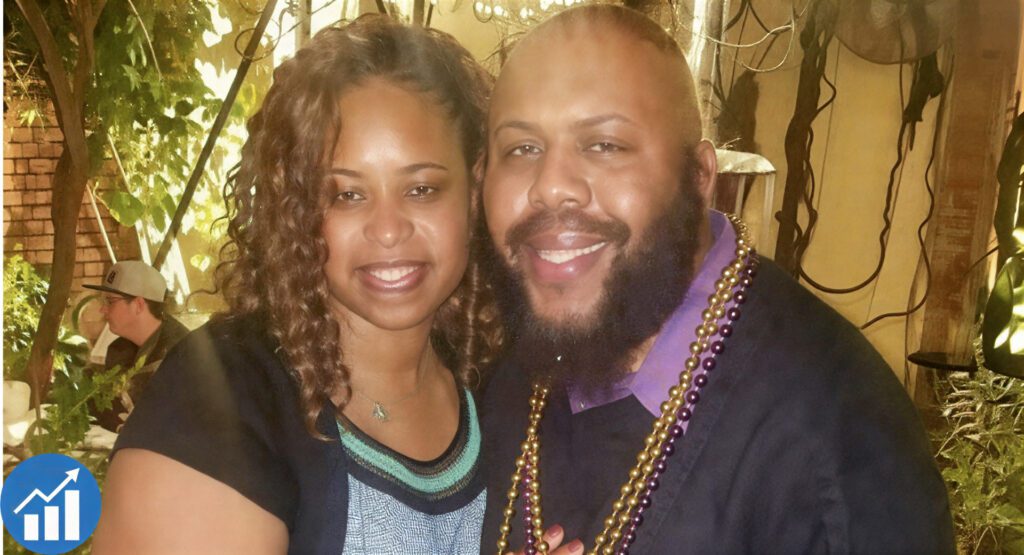
In April 2017, the name Steve Stephens became known worldwide after he broadcast a fatal shooting on Facebook Live in Cleveland, Ohio. The case shocked the public, triggered a multi-state manhunt, and forced major conversations about livestreamed violence and platform accountability.
This article provides a clear, verified account of who Steve Stephens was, what happened on April 16, 2017, how the manhunt ended, and how the incident reshaped social media moderation and digital governance.
Who Was Steve Stephens?
Steve Stephens was a Cleveland resident who worked in behavioral health before becoming responsible for the 2017 Cleveland Facebook Live killing.
Read More: Dottie Pepper Net Worth
| Field | Details |
|---|---|
| Full Name | Steve Stephens |
| Known For | 2017 Cleveland Facebook Live shooting case |
| Date of Birth | 1980 |
| Age (at time of death) | 37 years old |
| Place of Residence | Cleveland, Ohio, United States |
| Nationality | American |
| Occupation | Behavioral healthcare worker |
| Incident Date | April 16, 2017 |
| Incident Location | Cleveland, Ohio |
| Platform Involved | Facebook Live |
| Victim | Robert Godwin Sr. |
| Manhunt Duration | Approximately 2 days |
| Date of Death | April 18, 2017 |
| Place of Death | Erie County, Pennsylvania, United States |
| Cause of Death | Self-inflicted gunshot wound |
Steve Stephens physical details
Steve Stephens was described in official police bulletins during the 2017 manhunt as an African American male with a medium-to-heavy build. At the time of the Cleveland incident, he was 37 years old. Law enforcement alerts noted that he was bald and had a full beard, features that were clearly visible in the widely circulated images and video released during the search. Authorities used these identifying characteristics to assist the public in recognizing him during the multi-state manhunt that extended from Cleveland, Ohio, into Pennsylvania.
Read More: Gorilla Nems Net Worth
| Attribute | Details |
|---|---|
| Full Name | Steve Stephens |
| Age (2017) | 37 years old |
| Ethnicity | African American |
| Height | Approximately 6 feet 1 inch (185 cm) |
| Weight | Approximately 240 lbs (109 kg) |
| Build | Medium to heavy build |
| Hair | Bald |
| Facial Hair | Full beard |
| Distinguishing Features | Bald head and thick beard visible in police alerts |
What Happened on April 16, 2017?
On April 16, 2017, Steve Stephens approached 74-year-old Robert Godwin Sr. in a residential area of Cleveland, Ohio. He recorded the encounter and streamed it using Facebook Live.
The shooting appeared random. Authorities later confirmed there was no evidence that Stephens and Godwin knew each other.
The video circulated rapidly before being removed. Within hours, the case became a national story.
Direct summary:
Steve Stephens fatally shot Robert Godwin Sr. in Cleveland on April 16, 2017, streamed it on Facebook Live, fled Ohio, and died two days later during a police pursuit in Pennsylvania.
Timeline of the Steve Stephens Case
Below is a structured timeline of events.
| Date | Event |
|---|---|
| April 16, 2017 | Shooting occurs in Cleveland, Ohio |
| April 16, 2017 | Video spreads on Facebook Live |
| April 16–18, 2017 | Multi-state manhunt begins |
| April 18, 2017 | Stephens located in Erie County, Pennsylvania |
| April 18, 2017 | Dies from self-inflicted gunshot wound |
The manhunt involved coordination between the Cleveland Division of Police and the Pennsylvania State Police.
Who Was Robert Godwin Sr.?
Robert Godwin Sr. was a retired foundry worker and father of nine. He was walking home from a holiday meal when he was confronted.
Community members in Cleveland described him as kind and deeply family-oriented. Public vigils were held in his memory.
There is no confirmed evidence that he had any connection to the shooter.
Why Did Steve Stephens Commit the Crime?
Investigators reported that Stephens referenced personal frustration and relationship issues in his video. However, no ideological motive was established.
Factors discussed publicly included:
- Emotional distress
- Relationship breakdown
- Financial strain
Authorities did not classify the crime as terrorism. It appeared to be an act of personal grievance rather than political or extremist violence.
How Long Was the Manhunt?
The manhunt lasted approximately two days.
After the shooting in Cleveland, law enforcement issued alerts across multiple states. On April 18, 2017, Stephens was spotted in Erie County, Pennsylvania.
Police attempted to stop his vehicle. During the pursuit, Stephens died from a self-inflicted gunshot wound.
There was no trial.
The Role of Facebook Live
The case drew global attention because it involved livestreamed violence.
Facebook Live allowed real-time broadcasting. In 2017, content moderation systems relied heavily on user reporting and reactive review.
The video spread quickly before removal. Copies circulated on other platforms even after deletion.
Why This Was a Turning Point
This case intensified concerns about:
- Real-time moderation gaps
- Platform accountability
- Viral amplification of crime
- Digital ethics
It became a reference point in discussions about social media regulation and AI detection systems.
How Facebook Responded
Following the incident, Facebook announced several changes:
- Expansion of human review teams
- Increased investment in AI moderation algorithms
- Improved reporting systems
- Faster escalation protocols
In the years since, real-time monitoring systems have improved significantly. Machine learning models now scan livestreams for violent patterns, though moderation remains complex.
2017 vs Today: Moderation Evolution
| 2017 Environment | 2026 Environment |
|---|---|
| Heavy reliance on user reports | AI detection systems flag content proactively |
| Limited livestream delay tools | Advanced pattern recognition models |
| Smaller moderation workforce | Expanded global moderation teams |
| Slower response time | Faster escalation and removal |
While no system is perfect, livestreamed violence now triggers quicker automated detection than it did in 2017.
Law Enforcement Coordination
The response involved coordinated action between:
- Cleveland Division of Police
- Pennsylvania State Police
The case highlighted the importance of cross-state communication in a multi-state manhunt. Digital footprints, public reporting, and surveillance footage all played roles in tracking Stephens’ movements.
Was the Attack Random?
Authorities stated the attack appeared random.
There was no confirmed prior relationship between Stephens and Robert Godwin Sr. The victim was reportedly selected at random during the encounter.
Was This Considered Terrorism?
No.
Law enforcement did not classify the crime as terrorism. There was no political manifesto, ideological motive, or extremist affiliation identified.
Media Ethics and Livestreamed Crime
The case sparked debate within journalism and digital policy communities.
Key questions raised:
- Should media outlets embed or describe livestreamed violence?
- How should platforms balance free expression and harm prevention?
- What is the responsibility of technology companies in crisis response?
Newsrooms updated policies to avoid replaying graphic footage. Social platforms refined violence-related content guidelines.
Lessons for Social Media Platforms
The incident underscored several structural challenges:
- Real-time moderation lag
- Viral amplification before removal
- Cross-platform duplication
- Public trust erosion
It also accelerated discussions around:
- Digital governance
- Platform liability
- Safety-by-design architecture
Broader Impact on Social Media Regulation
The 2017 Facebook Live killing became part of broader policy discussions in the United States and internationally.
Governments began examining:
- Platform responsibilities
- Reporting transparency
- AI moderation oversight
- Crisis response standards
While the case alone did not create new laws, it contributed to growing scrutiny of large tech platforms.
Common Misconceptions
Did Facebook shut down Live after the case?
No. Facebook Live continued operating, though moderation practices were updated.
Was the video available for days?
It was removed, but copies circulated online before full suppression.
Did Stephens surrender?
No. He died during a police pursuit in Pennsylvania.
Why This Case Still Matters
Nearly a decade later, the Steve Stephens case remains relevant because it represents the intersection of violent crime and digital broadcasting.
It demonstrated:
- The risks of livestreamed violence
- The speed of viral crime
- The limits of reactive moderation
- The need for real-time AI detection
For researchers in media ethics, digital governance, and social media regulation, it remains a frequently cited case study.
Frequently Asked Questions
1. Who was Steve Stephens?
Steve Stephens was a Cleveland resident responsible for the 2017 Facebook Live shooting of Robert Godwin Sr.
2. What happened in April 2017?
On April 16, 2017, Stephens fatally shot Robert Godwin Sr. in Cleveland and streamed the act on Facebook Live.
3. Who was the victim?
Robert Godwin Sr. was a 74-year-old Cleveland resident and father of nine.
4. How did the manhunt end?
The manhunt ended on April 18, 2017, when Stephens died from a self-inflicted gunshot wound during a police pursuit in Pennsylvania.
5. How long did the manhunt last?
Approximately two days.
6. Did Facebook change its policies afterward?
Yes. Facebook expanded moderation teams, invested in AI detection systems, and improved reporting tools.
7. Where was Steve Stephens found?
He was located in Erie County, Pennsylvania.
8. Was the attack politically motivated?
Authorities did not identify any ideological or political motive.
Conclusion
The Steve Stephens case was more than a tragic crime in Cleveland, Ohio. It marked a turning point in how livestreamed violence is handled online.
From the multi-state manhunt to the platform accountability debate, the incident reshaped discussions around content moderation, AI detection systems, and digital governance. It remains a defining example of how real-time broadcasting can amplify harm and how technology companies must continuously adapt to prevent it.

Welcome to NetValueHub! I’m Zubair Awan, an AI-Powered Seo, and Content Writer with 2 Yearrs of expert I help website rank higher, grow traffic, ande look amazing. My goal is to make SEO and web desigh simple and effective for everyone. Let’s achieve more together!