
Briahna Joy Gray is a name that comes up often in U.S. political debate. She appears in podcasts, interviews, and online discussions that focus on power, class, and party politics. Some see her as a sharp critic of the political system. Others see her as controversial. Either way, her role in modern political media is hard to ignore.
She didn’t rise through traditional pundit lanes alone. Her background in law and her work on a presidential campaign shaped how she speaks and why people listen. Understanding who she is means looking at her education, career choices, and public positions without mixing facts with opinion.
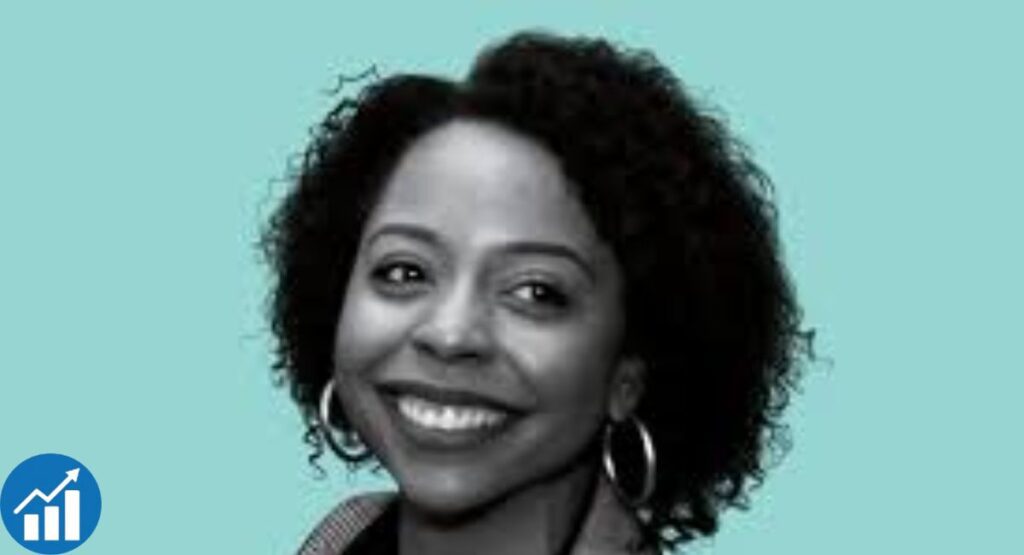
Who Is Briahna Joy Gray?
Briahna Joy Gray is a U.S. political commentator, attorney, and former national press secretary for Bernie Sanders’ 2020 presidential campaign. She is known for left-wing political commentary that focuses on economic justice, voter accountability, and party power within American politics.
Her work sits between activism and analysis. She speaks to audiences who feel disconnected from mainstream political messaging. That positioning explains both her following and the criticism she receives.
| Attribute | Details |
|---|---|
| Full Name | Briahna Joy Gray |
| Profession | Political Commentator, Attorney, Media Host |
| Education | Harvard University (Undergraduate), Harvard Law School (JD) |
| Notable Role | National Press Secretary for Bernie Sanders 2020 Campaign |
| Political Alignment | Progressive, Left-wing U.S. Politics |
| Media Presence | Podcasts, Online Interviews, Political Commentary |
| Key Focus Areas | Economic Justice, Electoral Accountability, U.S. Foreign Policy |
| Public Recognition | Known for sharp analysis and campaign experience |
| Country | United States |
| Related Entities | Bernie Sanders, Harvard Law School, Progressive Movement |
Briahna Joy Gray’s physical details
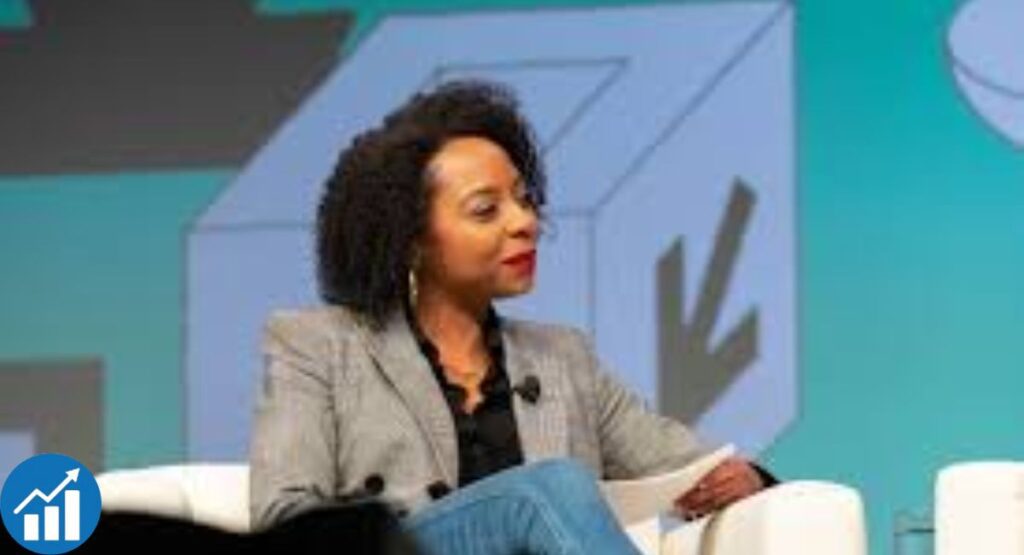
Briahna Joy Gray stands around 5’4” and has a slender build. She has black hair and brown eyes, often wearing glasses during public appearances. As an African-American woman, her style is professional yet approachable, reflecting her media and political work.
Read More: Francesca Fiorentini
| Attribute | Details |
|---|---|
| Height | Approx. 5’4″ (162 cm) |
| Weight | Not publicly disclosed |
| Hair Color | Black |
| Eye Color | Brown |
| Nationality | American |
| Ethnicity | African-American |
| Distinguishing Features | Short hair, often wears glasses in public appearances |
Early Life and Education
Briahna Joy Gray was born in the United States and raised in an environment that valued education. She attended Harvard University for her undergraduate studies, then earned a Juris Doctor from Harvard Law School. That academic path placed her among elite institutions long before she became a vocal critic of political elites.
Her education matters because it shapes her arguments. When she talks about policy, voting rights, or labor law, she often frames issues through legal structure rather than party loyalty. That approach sets her apart from many media figures who come from journalism or activism alone.
Briahna Joy Gray Net Worth
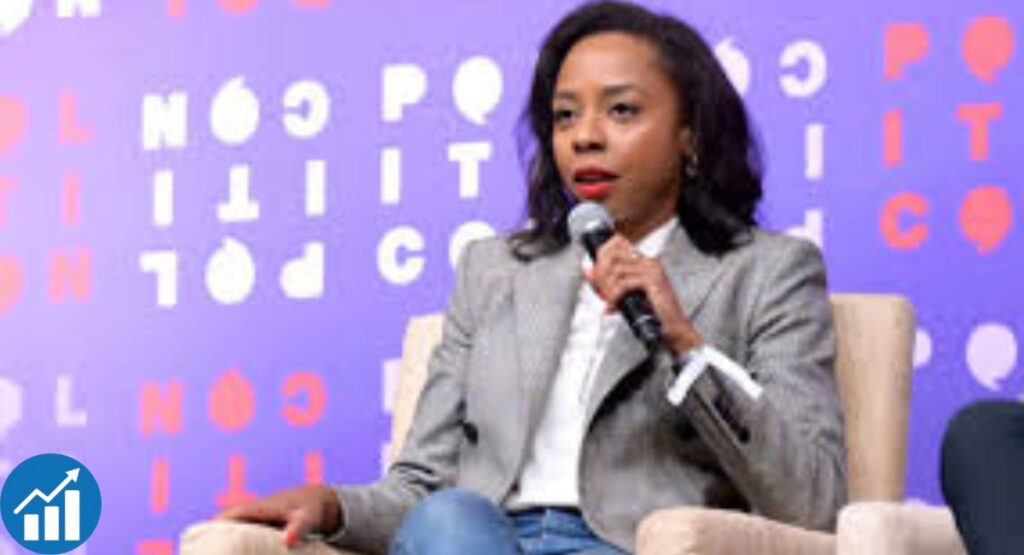
Briahna Joy Gray has accumulated wealth through her legal career, political campaign work, and media presence. She earns from podcasting, writing, speaking engagements, and commentary roles. While exact numbers aren’t public, her estimated net worth reflects her influence and professional versatility.
| Income Source | Details | Estimated Contribution |
|---|---|---|
| Campaign Work | National Press Secretary for Bernie Sanders 2020 campaign | Moderate |
| Legal Career | Attorney background and legal consulting | Low to Moderate |
| Media & Commentary | Podcasts, guest appearances, interviews | High |
| Writing & Publications | Articles and contributions to political media | Moderate |
| Speaking Engagements | Panels, interviews, events | Low to Moderate |
Legal Background and Professional Training
Before entering political media, Gray trained as a lawyer. She worked in legal settings that required close reading, argument building, and attention to precedent. While she no longer practices law in a traditional sense, that training still shows in how she breaks down political systems.
Rather than focusing only on personalities, she often points to rules, incentives, and institutional design. This habit comes straight from legal thinking. It also explains why her commentary tends to focus on outcomes rather than intentions.
Entry Into National Politics
Gray’s national profile grew sharply during the 2020 U.S. presidential election. She served as the national press secretary for Bernie Sanders, one of the most prominent figures in progressive politics. In that role, she handled media messaging, responded to press coverage, and defended campaign positions during a highly contested primary season.
The job placed her at the center of political conflict. Every statement carried weight, and every appearance reached a wide audience. This period tied her public image closely to Sanders and the progressive movement, even after the campaign ended.
What Did Briahna Joy Gray Do for Bernie Sanders?
As national press secretary, Briahna Joy Gray acted as a lead spokesperson for the Sanders campaign. She communicated policy positions, addressed criticism, and managed press relations during debates, rallies, and breaking news moments.
This role required speed and precision. It also required loyalty to campaign goals rather than personal opinion. That distinction matters, because many later debates confuse her campaign role with her independent commentary that followed.
Transition Into Media and Commentary
After the 2020 election cycle, Gray shifted fully into political media. She became known as a podcast host, guest commentator, and writer within progressive political media. Her work often appears in long-form discussions rather than short soundbites.
She focuses on voter behavior, party accountability, and class politics. Her audience includes people who feel let down by traditional party leadership. Digital platforms allowed her to reach that audience directly, without relying on major television networks.
Podcasting and Digital Reach
Podcasts became a major part of her public presence. Long-form audio lets her explain arguments step by step, rather than reacting to headlines alone. This format suits her legal and analytical style.
Her digital reach is strongest among younger voters and politically active online communities. These listeners often share clips during election seasons or moments of political conflict. That sharing plays a big role in why her name trends during major news cycles.
Political Views and Ideological Position
Briahna Joy Gray aligns with progressive politics in the United States. She supports policies such as universal healthcare, student debt relief, stronger labor protections, and reduced military intervention abroad. She often criticizes both major political parties, arguing that voters should not reward failure with blind loyalty.
Her focus stays on outcomes. She tends to judge political actors based on what they deliver rather than what they promise. This stance resonates with some voters and frustrates others, especially those who prioritize party unity.
Why Is Briahna Joy Gray Considered Controversial?
Gray draws criticism mainly for her views on electoral strategy and party accountability. Some critics argue that her skepticism toward mainstream Democratic leadership risks weakening opposition to conservative movements. Supporters counter that honest criticism is necessary for real reform.
These debates tend to peak during election years. Viral clips, podcast excerpts, and social media posts often pull her arguments into wider political fights. Context matters here, since short clips rarely show full explanations.
Separating Role From Opinion
One common point of confusion involves separating Gray’s past campaign role from her current commentary. During the Sanders campaign, she spoke on behalf of a candidate. After the campaign, she speaks for herself.
Failing to separate these roles leads to misunderstanding. Her current views do not represent any official campaign or party position. They reflect her own analysis, shaped by experience but not bound by party discipline.
Comparison With Other Progressive Commentators
Gray is often compared to other progressive political commentators in the United States. The main difference lies in her background. Many commentators come from journalism or activism alone. Gray brings legal training and direct campaign experience into her analysis.
This mix explains her focus on systems and incentives. It also explains why her arguments sometimes clash with commentators who focus more on messaging or coalition building.
Media Appearances and Public Debate
Beyond podcasts, Gray appears in interviews, panels, and debates across digital media platforms. These appearances often focus on election strategy, voter trust, and internal party conflict. She tends to challenge assumptions rather than offer comfort.
Her presence in these spaces keeps her relevant even outside election cycles. When major political stories break, her perspective often resurfaces through clips and commentary.
Why Her Voice Matters to Voters
Gray speaks to a group of voters who feel ignored or taken for granted. This group includes younger voters, working-class voters, and people who feel stuck between two parties they don’t fully trust. Her commentary gives language to that frustration.
Whether one agrees with her or not, this audience is real. Its size and influence help explain why her work keeps circulating during national debates.
Public Criticism and Support
Criticism of Gray often focuses on tone and strategy rather than facts. Supporters value her willingness to challenge power without soft language. Critics worry about the political cost of that approach.
Both views reflect broader tensions within progressive politics. These tensions did not start with Gray, but her visibility makes her a frequent focal point.
Accuracy, Context, and Trust
Political commentary requires care. Readers often worry about bias, selective framing, or missing facts. Gray’s work attracts scrutiny because it challenges common narratives. This makes clear sourcing and context especially important when assessing her claims.
Separating factual background from opinion helps readers judge her work on its merits. That separation also helps avoid misattributing views or roles.
Briahna Joy Gray in the U.S. Political Landscape
In the broader U.S. political landscape, Gray represents a growing media lane. This lane sits outside traditional party messaging but remains deeply political. It thrives online, where long-form discussion and direct audience connection matter more than institutional backing.
Her career reflects changes in how political influence works. Campaign experience, legal training, and digital media now intersect more than ever.
FAQs
Is Briahna Joy Gray a lawyer?
Yes. She earned a Juris Doctor from Harvard Law School and trained as an attorney before moving into political media.
What campaign did Briahna Joy Gray work for?
She served as national press secretary for Bernie Sanders’ 2020 presidential campaign.
What are Briahna Joy Gray’s political views?
She supports progressive policies such as universal healthcare, labor rights, and student debt relief, while often criticizing both major U.S. political parties.
Why is Briahna Joy Gray criticized?
Criticism usually centers on her views about electoral strategy, party loyalty, and her willingness to challenge mainstream Democratic leadership.
Where does Briahna Joy Gray appear in media?
She appears mainly in podcasts, online interviews, and digital political discussions rather than traditional cable news roles.
Is Briahna Joy Gray affiliated with a political party?
She aligns with progressive politics but does not hold an official party leadership role.
Why does Briahna Joy Gray trend during elections?
Her commentary often addresses voter behavior and party accountability, which becomes highly relevant during election cycles.
Conclusion
Briahna Joy Gray occupies a distinct space in U.S. political media. Her legal background, campaign experience, and direct style shape how she speaks and why people react. Understanding her work means separating fact from opinion and role from rhetoric. Agreement isn’t required, but context always is.

Welcome to NetValueHub! I’m Zubair Awan, an AI-Powered Seo, and Content Writer with 2 Yearrs of expert I help website rank higher, grow traffic, ande look amazing. My goal is to make SEO and web desigh simple and effective for everyone. Let’s achieve more together!