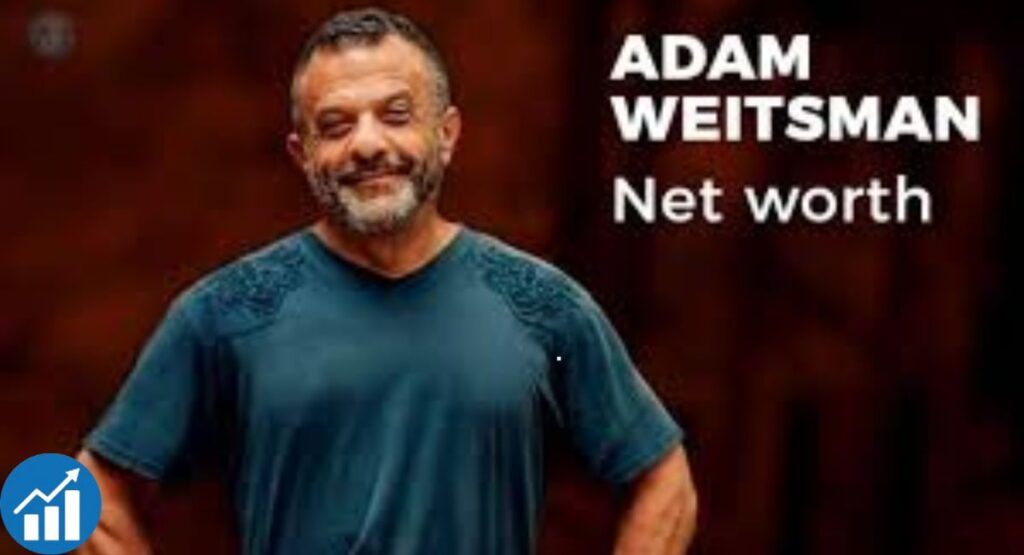
Adam Weitsman Net Worth, Business Empire, and Philanthropy
Adam Weitsman built his wealth through the scrap metal industry, turning industrial recycling into a large private enterprise based in New York. His name appears in discussions about commodity markets, metal processing, and philanthropy, making him a notable figure among American entrepreneurs. For those curious about his net worth, business model, and philanthropic impact, this guide provides clear, fact-based insights.
Who Is Adam Weitsman?
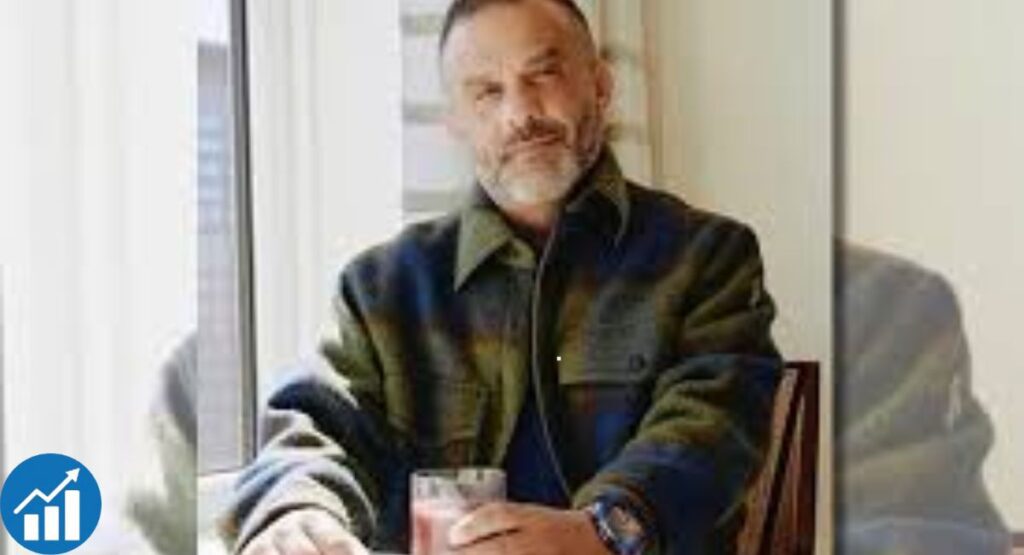
Adam Weitsman is an American entrepreneur and philanthropist based in Owego, New York. He owns Upstate Shredding and Weitsman Recycling, two of the largest scrap metal processing companies in the state. He has built a reputation not only as a successful business owner but also as a committed donor to local community programs. His businesses handle ferrous and non-ferrous metals, supplying both domestic steel mills and global export markets, establishing him as a key figure in industrial recycling.
Read More: Nicea DeGering Net Worth
| Attribute | Details |
|---|---|
| Full Name | Adam Weitsman |
| Occupation | Entrepreneur, Industrial Recycler, Philanthropist |
| Known For | Owner of Upstate Shredding and Weitsman Recycling |
| Industry | Scrap Metal Recycling, Industrial Recycling |
| Base Location | Owego, New York, USA |
| Net Worth | Estimated in the hundreds of millions (private ownership) |
| Philanthropy | Donations to schools, hospitals, addiction recovery programs, law enforcement initiatives |
| Company Type | Privately held |
| Key Attributes | Business strategist, industrial recycler, community-focused philanthropist |
| Public Recognition | Recognized in the US scrap metal industry and local New York philanthropy circles |
Adam Weitsman’s physical details
Adam Weitsman maintains a professional and approachable appearance typical of business executives in the industrial sector. He has a medium build and average height, usually appearing in business-casual attire for professional settings. While not a public figure for modeling or entertainment, his presence reflects the image of a practical entrepreneur focused on his industry and community.
| Attribute | Details |
|---|---|
| Height | Average (approx. 5’9″–5’11”) |
| Build | Medium / Average |
| Hair Color | Dark Brown |
| Eye Color | Brown |
| Typical Attire | Business-casual; often collared shirts and jackets |
| Distinguishing Features | Professional and approachable executive appearance |
Adam Weitsman Net Worth in 2026
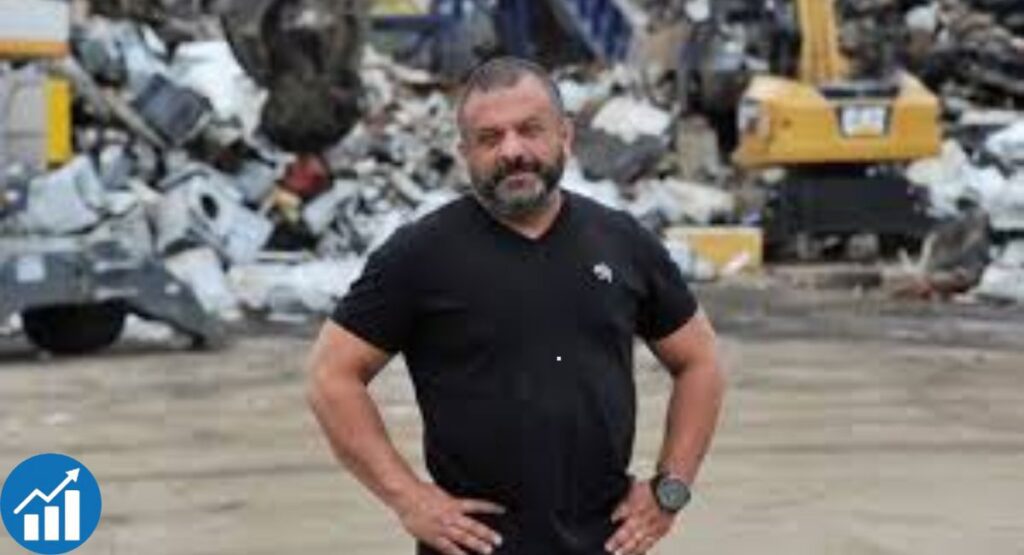
Adam Weitsman’s net worth is estimated to be in the hundreds of millions of dollars. Exact figures are not publicly available since his businesses are privately held, but industry analysts base estimates on company revenue, asset holdings, and market conditions. His wealth is derived from ownership of scrap processing facilities, industrial equipment, land holdings, and commodity-based revenue streams. Fluctuations in steel and metal prices can significantly influence his estimated net worth.
Read More: Kenzie Anne
| Attribute | Details / Estimate |
|---|---|
| Name | Adam Weitsman |
| Occupation | Entrepreneur, Industrial Recycler, Philanthropist |
| Primary Companies | Upstate Shredding, Weitsman Recycling |
| Industry | Scrap Metal Recycling, Industrial Recycling |
| Estimated Net Worth (2026) | $200–$500 million (approximate, private ownership) |
| Source of Wealth | Scrap metal collection, processing, industrial assets, export sales |
| Ownership Type | Privately held |
| Factors Influencing Net Worth | Commodity pricing (steel, copper, aluminum), global demand, asset value, export contracts |
| Public Disclosure | Not publicly traded; no official filings available |
How Private Net Worth Is Estimated
Private net worth calculations typically include revenue estimation, industry-average margins, asset valuations for equipment and land, and comparisons to similar public companies. Because scrap metal prices fluctuate, wealth assessments for Adam Weitsman must account for global market variations.
Is Adam Weitsman a Billionaire?
There is no confirmed information showing that Adam Weitsman is a billionaire. Most credible sources place his net worth below the billion-dollar threshold. The private nature of his companies and the cyclical nature of the scrap metal industry make precise valuation difficult, but his position as a leading industrial entrepreneur remains clear.
How Did Adam Weitsman Make His Money?
Adam Weitsman made his money through industrial recycling, focusing on scrap metal collection, processing, and resale. His business model involves acquiring scrap yards, installing advanced shredding and sorting equipment, processing ferrous and non-ferrous metals, and selling the processed materials to domestic steel mills or international buyers. Vertical integration allows him to reduce operational layers and maintain strong margins, which has been central to building his wealth.
Understanding the Scrap Metal Industry
Scrap metal recycling converts discarded metal into reusable raw materials. The industry is broadly divided into ferrous metals, like iron and steel, and non-ferrous metals, including copper, aluminum, and brass. Metal processors collect, shred, and sort materials before resale. Global demand for steel, construction growth, manufacturing output, and commodity exchange rates all influence the profitability of the industry. Organizations such as the Institute of Scrap Recycling Industries (ISRI) provide standards and trade representation that shape the industry.
Upstate Shredding & Weitsman Recycling
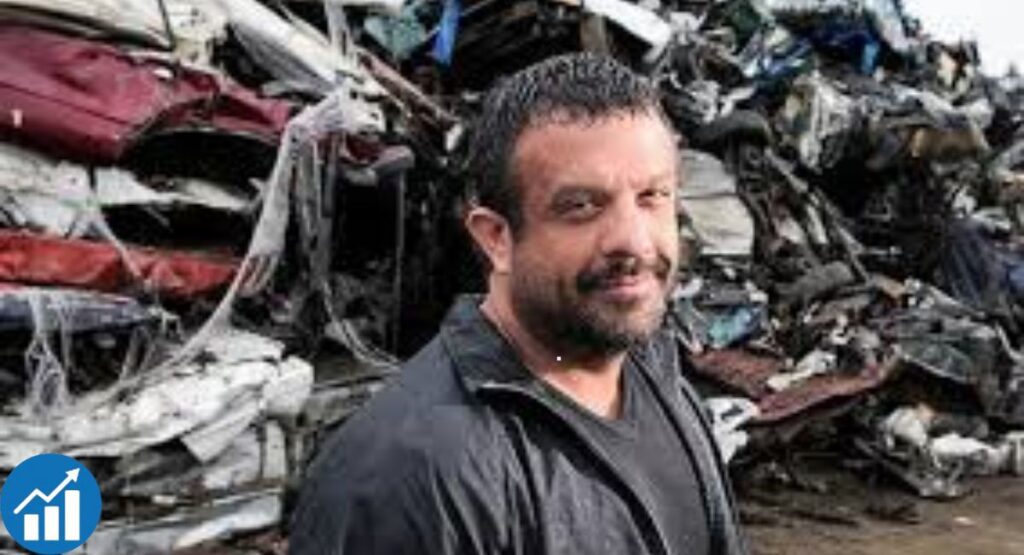
Upstate Shredding is one of the largest privately held scrap metal processors in the United States, with facilities in Owego, Syracuse, Albany, and Rochester. The company accepts scrap from businesses and individuals, shreds vehicles and large metal structures, and sorts metals using advanced separation systems. They typically process steel beams, copper wiring, aluminum scrap, junk vehicles, and industrial waste. These operations serve both local markets and global export clients, demonstrating the scope of Weitsman’s enterprise.
Is Upstate Shredding Publicly Traded?
Upstate Shredding is privately held, meaning it is not publicly traded, does not file quarterly earnings, and does not provide public investor reports. Private ownership provides strategic flexibility and long-term operational planning but limits external financial transparency. For analysts or investors, wealth assessment relies on indirect measures such as facility scale, industry margins, and asset valuation.
Revenue Model Breakdown
The revenue model for scrap metal processing typically includes multiple streams. Ferrous scrap generates income by selling bulk steel to mills, while non-ferrous metals like copper and aluminum offer higher-margin sales. Auto recycling provides additional revenue through vehicle dismantling and metal recovery. Industrial contracts ensure steady supply and revenue, and international exports expand market reach. Margins depend on operational efficiency and global metal prices, making commodity trends critical for valuation.
How Scrap Metal Pricing Affects Net Worth
Commodity pricing directly affects company profitability and, by extension, Adam Weitsman’s net worth. Rising steel and copper prices increase demand for scrap materials, boosting margins and asset values. Conversely, lower prices tighten margins and reduce the market valuation of the company. This cyclical nature explains why net worth estimates fluctuate across reporting periods.
Global Export Role
Even though his operations are New York-based, Adam Weitsman’s companies participate in global metal exports. Processed metals are shipped to countries with strong manufacturing sectors. International sales add exposure to currency fluctuations, shipping costs, and trade regulations, all of which influence revenue and asset valuation. Export compliance laws and environmental regulations, including EPA standards, govern these operations.
Environmental and Regulatory Compliance
Industrial recycling is subject to strict environmental and safety regulations. Companies like Upstate Shredding must adhere to EPA rules, state permits, and workplace safety standards. Compliance increases operational costs but ensures long-term stability, minimizes environmental impact, and maintains community trust. Regulations also influence equipment investments and facility management decisions.
Business Model Strengths and Risks
Adam Weitsman’s business model benefits from vertical integration, a strong regional footprint, diversified metal categories, and established buyer relationships. However, risks include commodity price volatility, environmental compliance expenses, economic downturns, and export market disruptions. Understanding both strengths and risks provides context for his net worth and strategic decisions.
Adam Weitsman vs Public Recycling Companies
Private and public recycling businesses operate differently. Private companies like Upstate Shredding have limited transparency, strong flexibility, low investor pressure, and internal financial reporting. Public recyclers, by contrast, face SEC filings, quarterly performance scrutiny, and higher disclosure requirements. This distinction explains why private wealth figures are harder to verify.
Philanthropy and Community Impact
Adam Weitsman is recognized for extensive philanthropy in New York, supporting schools, addiction recovery programs, law enforcement initiatives, hospitals, and community nonprofits. His giving demonstrates a commitment to social responsibility and enhances his public profile, making him both a business and community leader.
Personal Life
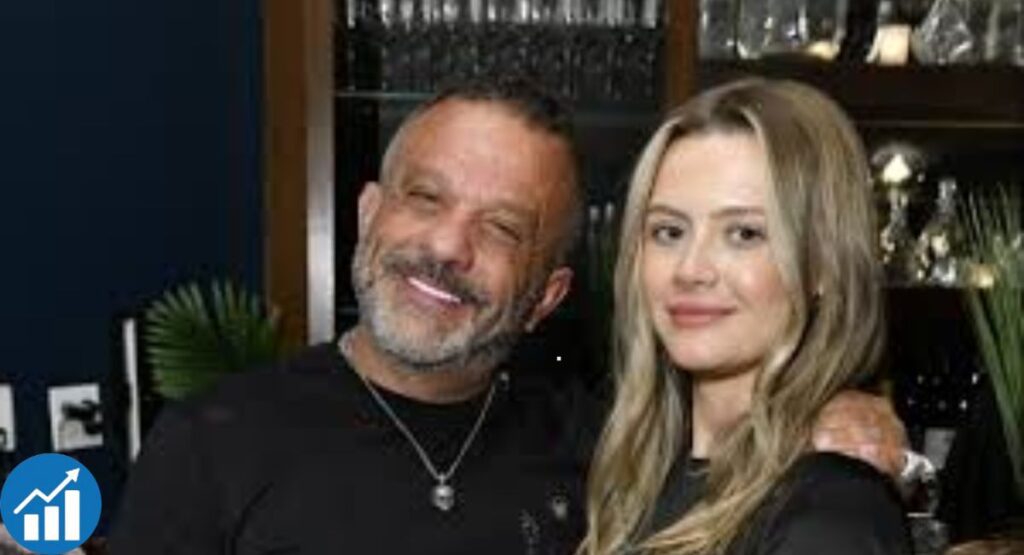
Adam Weitsman is married to Kimberly Weitsman. He maintains a public profile highlighting business developments and charitable efforts. He balances the image of a successful industrial entrepreneur with visible contributions to his community.
How Big Is Upstate Shredding?
Upstate Shredding operates multiple large-scale facilities across New York, featuring heavy-duty shredders, sorting technology, extensive land holdings, and transportation fleets. While exact revenue figures are not publicly available, the company is considered one of the largest privately owned scrap metal processors in the region, supporting both domestic and international markets.
Why Adam Weitsman Matters Globally
Although based in New York, Adam Weitsman’s influence extends through global supply chains. Scrap metal supports construction, automotive manufacturing, and infrastructure projects, while recycling reduces demand for raw mining materials. Industrial recyclers like Weitsman play a critical role in sustainable supply chains and commodity markets, giving them relevance beyond their immediate region.
FAQs
1. How much is Adam Weitsman worth in 2026?
Estimates place his wealth in the hundreds of millions of dollars, though precise figures are private.
2. What company does Adam Weitsman own?
He owns Upstate Shredding and Weitsman Recycling, major scrap metal processing businesses in New York.
3. Where are Upstate Shredding locations?
Facilities operate in Owego, Syracuse, Albany, Rochester, and other areas across New York State.
4. What industry is Adam Weitsman in?
He operates in scrap metal recycling and industrial metal processing.
5. Is Upstate Shredding publicly traded?
No. Upstate Shredding is a privately held company.
6. How does scrap metal pricing affect his net worth?
Scrap metal prices directly influence revenue and profitability. Rising prices increase company margins, while lower prices reduce valuation.
7. What is scrap metal recycling?
It is the process of collecting, shredding, sorting, and reselling metal waste for reuse in manufacturing and steel production.
8. Is Adam Weitsman known for philanthropy?
Yes. He has donated millions across New York communities to support schools, recovery programs, and other charitable initiatives.
Conclusion
Adam Weitsman built his wealth through strategic expansion in scrap metal recycling, vertical integration, and global export positioning. His private companies process ferrous and non-ferrous metals, serve both domestic mills and international buyers, and operate under strict regulatory standards. While his exact net worth remains private, his business success, philanthropy, and influence in industrial recycling highlight his significance as an entrepreneur. For those researching his wealth or business approach, focus on asset valuation, commodity market influence, and strategic vertical integration to understand the full picture.

Welcome to NetValueHub! I’m Zubair Awan, an AI-Powered Seo, and Content Writer with 2 Yearrs of expert I help website rank higher, grow traffic, ande look amazing. My goal is to make SEO and web desigh simple and effective for everyone. Let’s achieve more together!