
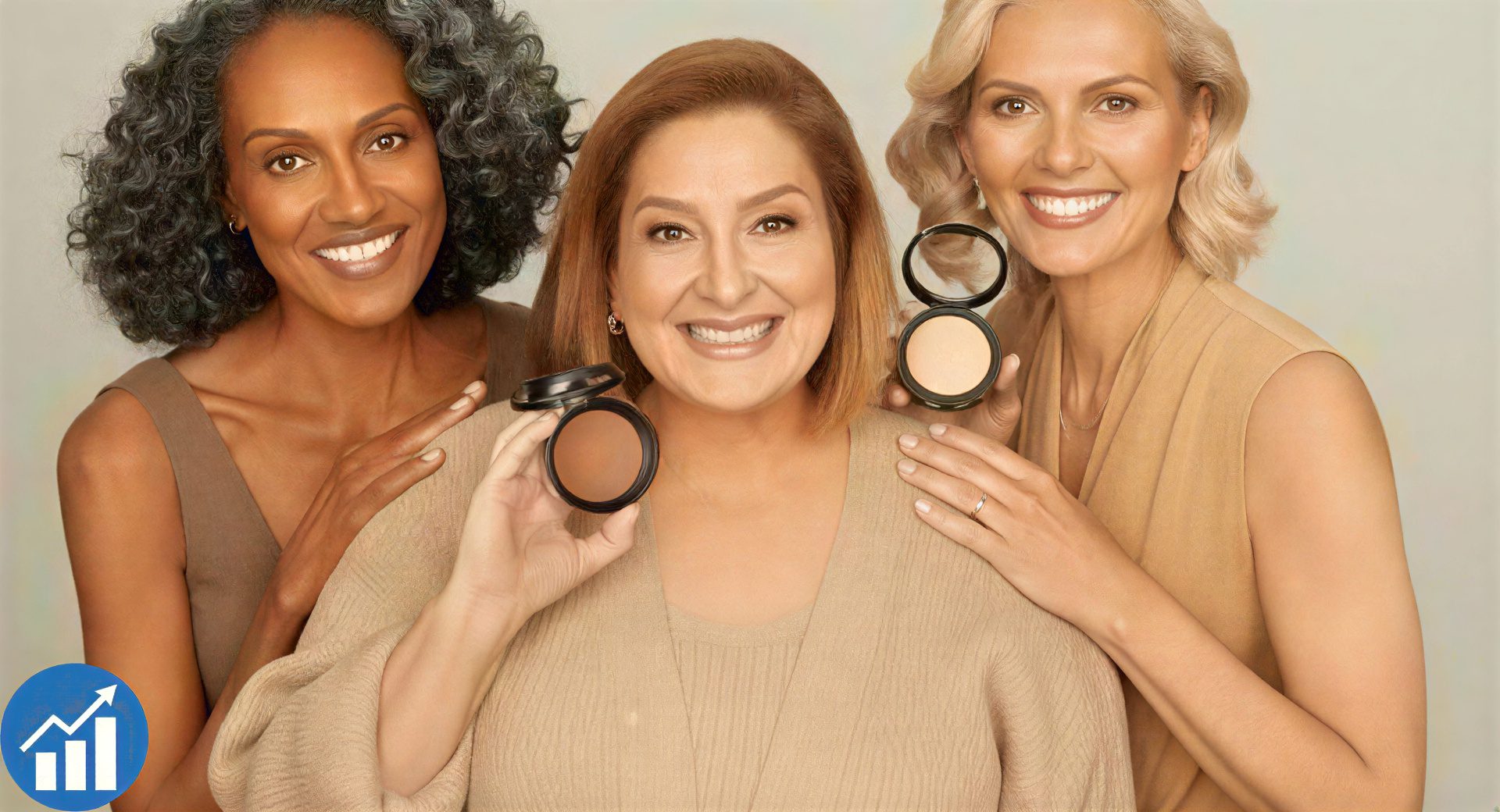
Introduction
Laura Geller didn’t build her fortune through celebrity buzz or venture capital hype. She built it one QVC appearance at a time, turning a Manhattan makeup studio into a cosmetics brand that broke the $100 million annual sales barrier. As of 2026, her estimated net worth stands at approximately $50 million a figure shaped by decades of product innovation, savvy retail distribution, and one pivotal private equity deal that changed everything.
Laura Geller Net Worth Overview
Laura Geller’s net worth is estimated at $50 million as of 2026, according to Celebrity Net Worth. This figure reflects the compounded value of her founder’s stake in Laura Geller Beauty prior to the 2012 Tengram Capital Partners acquisition, ongoing royalties and ambassador fees, her decades of QVC appearances, and the accumulated revenue of one of the beauty industry’s most durable independent brands.
Net worth estimates for private individuals like Geller are inherently approximate. Because Laura Geller Beauty is privately held, its exact valuation and Geller’s personal share of any acquisition proceeds have never been publicly disclosed. The figures in this article are based on industry reporting, comparable deal analysis, and publicly available retail sales data.
Quick Financial Summary
| Category | Estimated Figure |
|---|---|
| Estimated Net Worth (2026) | ~$50 million |
| Annual QVC Brand Revenue (peak) | ~$41 million (QVC alone) |
| Total Retail Sales (post-PE) | ~$100 million |
| Primary Wealth Source | Brand equity + acquisition proceeds |
| Brand Founded | 1997 (QVC launch 1998) |
| PE Stake Acquired | 2012 (Tengram Capital Partners) |
Patrisse Cullors Net Worth in 2026: Income Sources, Controversies & Full Financial Breakdown
Who Is Laura Geller?
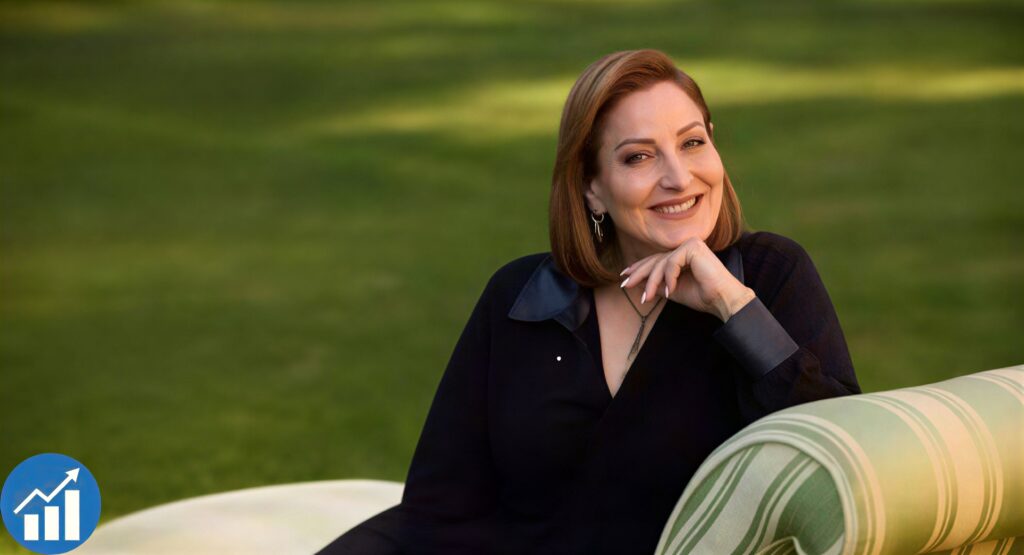
Laura Geller is an American makeup artist and cosmetics entrepreneur, born on January 17, 1958, in the Bronx, New York. She is best known as the founder of Laura Geller Beauty and as one of the longest-tenured beauty personalities in QVC history.
Early Life and Career Beginnings
Geller grew up in Rockland County, where a neighbor’s passion for cosmetics sparked her own. That early fascination eventually led her to study theatrical makeup artistry, and she spent years doing makeup for Broadway productions and television networks including CBS, NBC, AMC, and HBO. This background gave her something most cosmetics founders lack: an intimate, technical understanding of what makeup actually needs to do under pressure.
By the late 1980s, she had established a makeup studio on Manhattan’s Upper East Side. Clients came for big events weddings, bar mitzvahs, society galas and returned because Geller did something unusual. She made them feel genuinely seen. “They want you to become part of their lives,” she has said, and that philosophy of trust would become the commercial engine of her entire career.
Rise in the Beauty Industry
In 1993, Geller formally opened the Laura Geller Makeup Studio, offering professional services with a teaching edge she didn’t just apply makeup, she explained it. Four years later, she launched her cosmetics line. The QVC debut in 1998, a highlight and contour kit that sold out within minutes, announced a new kind of beauty entrepreneurship: expertise-led, trust-driven, and perfectly suited to the intimacy of home shopping television.
How Laura Geller Built Her Wealth
Laura Geller’s fortune was built through four compounding phases: early brand establishment, QVC dominance, private equity partnership, and post-sale ambassador income.
Phase 1 — Cosmetics Brand Launch (1997–2005)
Geller launched Laura Geller Beauty through QVC at a moment when the platform was becoming the most efficient direct-to-consumer retail channel in America. Her first appearance sold out instantly. Over the next several years, she appeared on the network thousands of times, demonstrating products with the confidence of someone who had spent a decade in professional studios.
Signature products like Spackle her iconic under-makeup primer and her Baked powder line, produced using traditional Italian terracotta tile techniques, became category-defining bestsellers. These weren’t trend-chasing products. They solved real problems for real women, and that durability translated directly into consistent revenue.
Phase 2 — QVC Dominance (2005–2012)
By the late 2000s, Laura Geller Beauty was generating tens of millions of dollars annually through QVC alone. The brand became the longest-standing beauty line in QVC history a distinction that speaks not just to longevity, but to the sustained commercial performance required to maintain that position on a network with limited airtime.
This period also revealed the strategic ceiling of a QVC-first model. The brand attempted an expansion into Sephora, but exited in 2009. Revenue had plateaued near $60 million in total retail sales. Geller had built something genuinely valuable but scaling it further required capital, infrastructure, and retail expertise she didn’t have alone.
Phase 3 — Private Equity and the Tengram Deal (2012–present)
In 2012, Geller made the most significant financial decision of her career: she sold a majority stake in Laura Geller Beauty to Tengram Capital Partners, a private equity firm specializing in branded consumer businesses. Though financial terms were not disclosed, Tengram typically deploys between $15 million and $40 million per investment. This transaction almost certainly generated a multi-million-dollar liquidity event for Geller personally.
Under Tengram’s ownership, the brand was restructured aggressively. Beauty industry veteran Elana Drell Szyfer was installed as CEO. Packaging was redesigned out went glossy black, in came sleek white with rose gold accents. Distribution expanded to 740 Ulta Beauty doors, 55 Beauty Brands locations, and Nordstrom.com. The results were swift: total retail sales jumped from $60 million to $100 million within two years, according to industry sources cited by Entrepreneur magazine.
Phase 4 — Brand Ambassador and Ongoing Royalties
Post-acquisition, Geller stepped back from operational control but remained the face of the brand. Her continued QVC appearances where the brand generated $41 million in a single year at its peak command ambassador and appearance fees. She also retains a minority stake in the brand, meaning her wealth continues to grow alongside Laura Geller Beauty’s ongoing performance.
Laura Geller Beauty Business Analysis
Laura Geller Beauty is a privately held cosmetics company operating across television retail, e-commerce, and physical retail channels. Its business model is relatively unusual in the beauty industry: built on live television commerce long before influencer marketing existed, the brand scaled through demonstration-based selling rather than editorial coverage or paid social media.
Revenue Drivers
The brand’s revenue comes from three primary channels:
- QVC television sales – historically the dominant channel, generating $41M+ annually at peak
- Physical retail – Ulta Beauty (740 doors), Beauty Brands (55 locations), Nordstrom.com
- E-commerce – direct-to-consumer sales and Amazon presence
Business Insider reported in 2023 that the brand was the fastest-growing digital beauty and cosmetics brand in the U.S., signaling a successful transition from its TV-dominant origins to a multi-channel digital presence.
Brand Positioning and Market Differentiation
Laura Geller Beauty occupies a specific and defensible niche: premium, accessible cosmetics for women over 40. This is a demographic significantly underserved by trend-driven competitors. The brand’s emphasis on easy application, confidence-building formulations, and age-inclusive marketing gives it a loyal consumer base that is far less susceptible to influencer churn.
That positioning is also EEAT-anchored. Geller’s decades of professional artistry give the brand credibility that a celebrity-founded line cannot easily replicate. When she demonstrates a product, she does so with the authority of someone who has applied makeup professionally for 40 years.
Industry Comparison
| Beauty Founder | Brand | Est. Net Worth | Key Channel |
|---|---|---|---|
| Laura Geller | Laura Geller Beauty | ~$50M | QVC + Ulta |
| Jamie Kern Lima | IT Cosmetics | ~$400M+ | QVC → L’Oréal acquisition |
| Bobbi Brown | Bobbi Brown Cosmetics | ~$50–100M | Department stores → Estée Lauder |
Glenn Carano Net Worth (2026): From Dallas Cowboys Backup to Casino Executive
IT Cosmetics provides the most instructive comparison. Like Geller, Jamie Kern Lima built her brand through QVC before a major acquisition in her case, L’Oréal’s $1.2 billion purchase in 2016. Geller’s path has been more measured, but the structural parallels are clear: founder-credibility-driven QVC brands have proven to be highly attractive acquisition targets.
Laura Geller’s Income Sources
Laura Geller’s wealth comes from multiple streams, not a single windfall. Understanding how those streams interact explains both the size and sustainability of her estimated net worth.
Primary income sources include:
- Brand equity and acquisition proceeds – the majority stake sale to Tengram Capital Partners in 2012 almost certainly delivered a significant lump-sum payout
- Minority stake ownership – ongoing participation in the brand’s financial performance
- QVC appearance and ambassador fees – continued compensation for her role as brand spokesperson
- Product royalties – per-unit revenue tied to products bearing her name and formulation input
- Workshops and masterclasses – Geller continues hosting tutorials and beauty education events
It’s worth noting that for privately held brands like Laura Geller Beauty, personal income from a minority stake depends on whether the company pays dividends, is refinanced, or undergoes another exit event. These figures are not publicly available.
Estimated Assets and Lifestyle
Laura Geller is notably private about her personal life. She keeps her family situation out of public discourse, and specific details about real estate holdings, vehicles, or investment portfolios are not publicly documented.
What is known is that Geller has spent the majority of her adult life in the New York City metro area, consistent with her career base. Her lifestyle appears to align with the understated professional success typical of New York-based entrepreneurs rather than the flamboyant celebrity spending patterns often associated with beauty industry wealth.
Important caveat: Any specific asset claims properties, vehicles, investment holdings that have not been confirmed through legal filings, verified financial statements, or credible journalism should be treated as speculation. This article does not fabricate asset details.
Laura Geller Compared to Other Beauty Founders
The cosmetics industry has produced some of the most successful self-made entrepreneurs in American business. Geller’s career sits within a generation of founder-led brands that proved home shopping television could build institutions.
Bobbi Brown
Bobbi Brown launched her cosmetics line in 1991 and sold to Estée Lauder just four years later, in 1995. That sale made her wealthy but ultimately constrained her creative control she eventually departed the brand she built in 2016. Geller’s path was slower but structurally similar: founder credibility, loyal consumer base, institutional acquisition. The difference is timing and scale; Estée Lauder’s resources dwarfed Tengram’s.
IT Cosmetics and Jamie Kern Lima
The IT Cosmetics story is the clearest parallel to Geller’s. Kern Lima built her brand on QVC with a very similar demographic focus products designed for women with mature or challenging skin. L’Oréal acquired IT Cosmetics for $1.2 billion in 2016, generating life-changing wealth for Kern Lima. The comparison isn’t meant to diminish Geller’s success but to contextualize it: QVC-built, founder-credibility brands with loyal demographics have demonstrated enormous acquisition value in the beauty sector.
FAQs
What is Laura Geller’s net worth?
Laura Geller’s net worth is estimated at approximately $50 million as of 2026, according to Celebrity Net Worth. This reflects her founder’s equity, the Tengram Capital Partners acquisition proceeds, ongoing ambassador fees, and the accumulated success of Laura Geller Beauty’s retail operations. Because the company is privately held, this figure is an informed estimate rather than a verified disclosure.
How did Laura Geller make her money?
Geller built her wealth through four primary mechanisms: founding and growing Laura Geller Beauty through QVC (where the brand generated over $40 million annually at peak), selling a majority stake to Tengram Capital Partners in 2012, retaining a minority ownership share in the brand post-acquisition, and continuing to earn ambassador and appearance fees through her ongoing QVC role. Her signature products — particularly the Spackle primer and Baked powder line generated consistent, high-margin revenue over decades.
Who owns Laura Geller Beauty now?
Since 2012, a majority stake in Laura Geller Beauty has been held by Tengram Capital Partners, a private equity firm. Laura Geller herself retains a minority ownership stake and continues serving as the brand’s public face and QVC spokesperson. Tengram restructured the company significantly after acquisition, installing a professional CEO and expanding distribution across Ulta Beauty and other retail channels.
Is Laura Geller still involved in the company?
Yes. Despite selling majority control in 2012, Geller remains actively involved as the brand’s ambassador and spokesperson. She continues making regular QVC appearances, hosting beauty tutorials and workshops, and participating in the brand’s marketing and product development. Her face and name remain central to Laura Geller Beauty’s commercial identity.
What products made Laura Geller famous?
Two products define the Laura Geller Beauty legacy. Spackle, her under-makeup primer, became a category leader and one of the most-recognized primers in television retail history. Her Baked powder collection produced using traditional Italian terracotta techniques gave the brand a premium, craft-oriented identity that competitors struggled to replicate. The original Contour & Highlight Kit, her very first QVC product, sold out in minutes and launched her television career.
Is Laura Geller Beauty successful?
By any reasonable commercial measure, yes. The brand grew from $60 million to $100 million in total retail sales within two years of the Tengram acquisition, per industry sources cited by Entrepreneur magazine. Business Insider identified it as the fastest-growing digital beauty and cosmetics brand in the U.S. in 2023. The brand has maintained QVC placement for over 25 years longer than any other beauty line in the network’s history.
How old is Laura Geller?
Laura Geller was born on January 17, 1958, making her 68 years old as of 2026. She was born in the Bronx, New York, and grew up in Rockland County.
Where is Laura Geller from?
Laura Geller was born in the Bronx, New York, and raised in Rockland County. She built her professional career on Manhattan’s Upper East Side, where she operated her makeup studio from the early 1990s.
What is Laura Geller’s biggest income source?
Her largest single wealth event was almost certainly the majority stake sale to Tengram Capital Partners in 2012. On an ongoing basis, her primary income sources are her minority stake in Laura Geller Beauty’s performance, QVC ambassador and appearance fees, and product royalties.
Is Laura Geller a self-made millionaire?
Yes. Laura Geller built her wealth through professional artistry, entrepreneurial risk-taking, and sustained commercial execution not inheritance, celebrity, or outside investment at the founding stage. She bootstrapped her studio, built her QVC following through repeated appearances, and only brought in private equity once the brand was already generating tens of millions annually. By any definition, she is a self-made cosmetics entrepreneur.
Conclusion
Laura Geller’s estimated $50 million net worth is the product of four decades of genuine expertise, a deep understanding of her consumer, and the strategic discipline to know when to bring in outside capital. Her wealth isn’t the result of a single viral moment or a celebrity brand launch it’s the compounded return on thousands of QVC demonstrations, one correctly timed private equity deal, and a product portfolio built around trust rather than trend.
For anyone interested in beauty entrepreneurship or cosmetics brand valuation, her career offers a rare case study: a self-made founder who turned face-to-face credibility into a nine-figure retail business. To explore how brands like Laura Geller Beauty are valued and what drives exit multiples in cosmetics the business strategy behind her journey is worth examining as closely as the numbers themselves.