
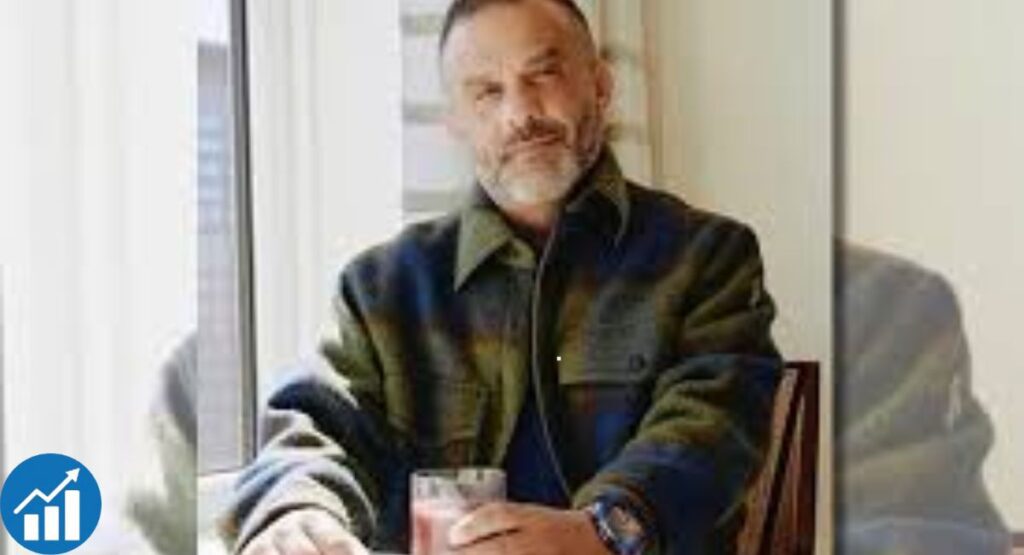
Who Is Adam Weitsman?
Adam Weitsman is an American entrepreneur best known for building one of the largest privately held scrap metal businesses in New York. Based in Owego, New York, he turned regional recycling operations into a large-scale industrial enterprise serving domestic and international markets. Over the years, he has developed a reputation not only for business expansion but also for philanthropy across local communities.
His career is centered on industrial recycling, commodity trading, and strategic acquisitions within the scrap metal sector. Through disciplined operational control and vertical integration, he has positioned himself as a leading figure in the recycling industry.
Adam Weitsman Net Worth in 2026
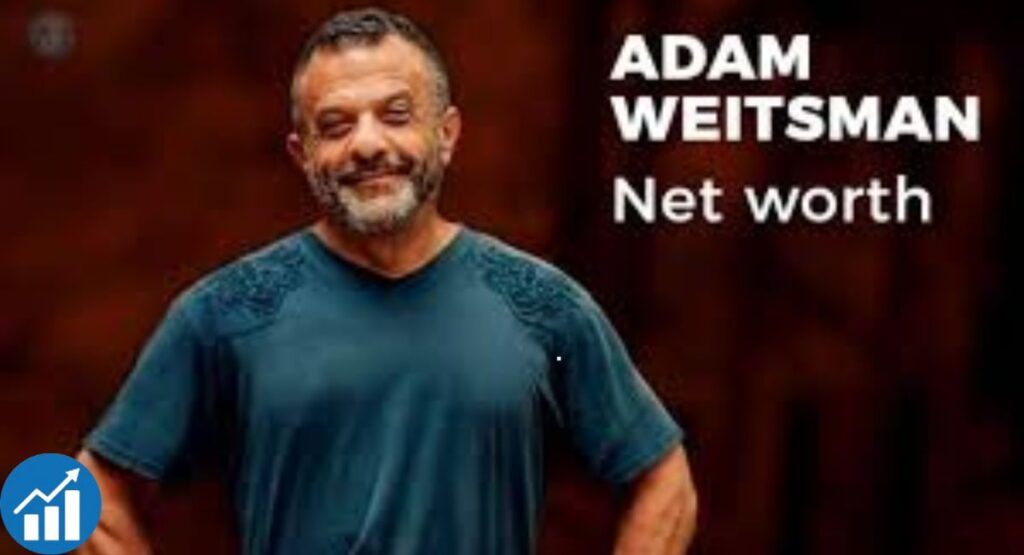
Adam Weitsman’s net worth is estimated to be in the hundreds of millions of dollars. Because his companies are privately held, there are no public financial statements that confirm an exact valuation. Analysts typically estimate private wealth using revenue modeling, asset valuation, and comparison with similar public recycling firms.
His wealth is primarily tied to ownership of processing facilities, heavy industrial shredding equipment, real estate holdings, transportation fleets, and commodity-driven revenue streams. Since scrap metal pricing fluctuates based on global demand, his net worth can rise or fall depending on steel and non-ferrous metal markets.
Is Adam Weitsman a Billionaire?
There is no verified data placing him in billionaire rankings published by outlets like Forbes. Most credible industry assessments suggest his wealth remains below the billion-dollar threshold, though still substantial within the recycling sector.
How Adam Weitsman Built His Wealth
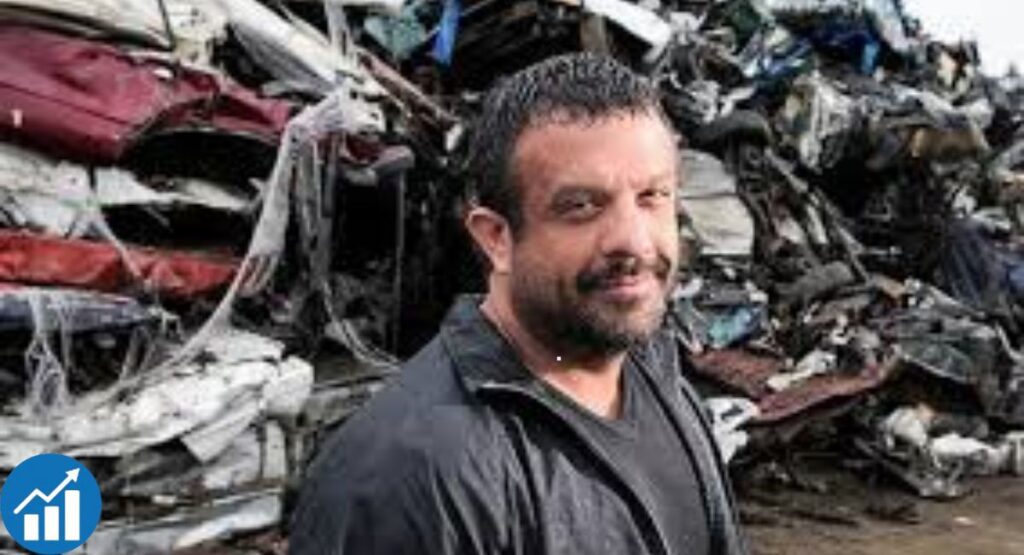
Entry into the Scrap Metal Industry
Weitsman’s fortune stems from the scrap metal industry. He focused on acquiring and modernizing facilities, investing in high-capacity shredders, and expanding supply contracts. By processing both ferrous and non-ferrous metals, he diversified revenue and reduced dependency on a single commodity stream.
Vertical Integration Strategy
A core element of his growth has been vertical integration. Rather than acting only as a broker, his companies handle collection, shredding, sorting, and resale internally. This structure improves margin control and operational efficiency, which directly strengthens long-term valuation.
Upstate Shredding and Weitsman Recycling
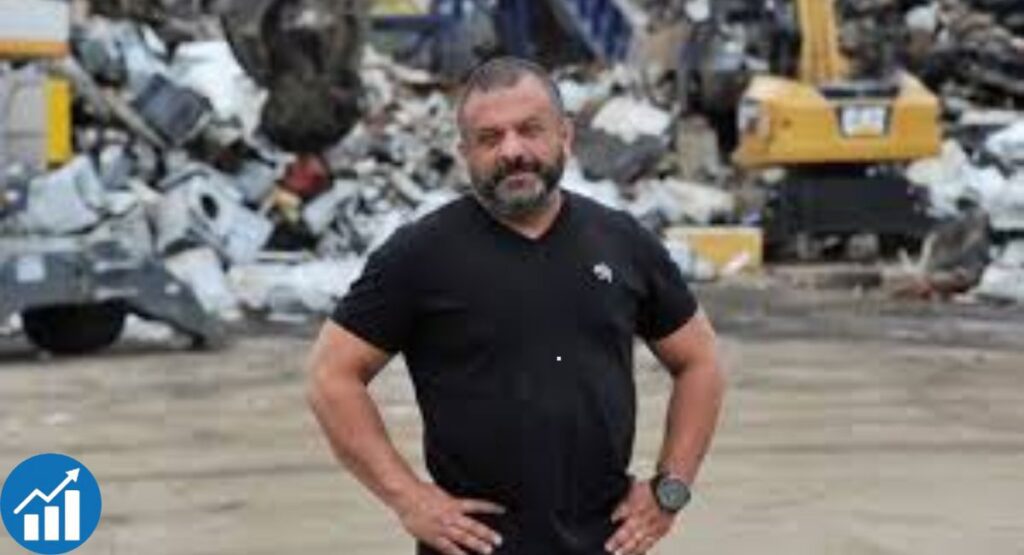
Company Overview
Upstate Shredding and Weitsman Recycling operate multiple large-scale facilities across New York. These locations process vehicles, industrial scrap, demolition materials, copper wiring, aluminum components, and structural steel.
The company supplies domestic steel mills and also participates in global export markets. Its regional footprint and processing scale contribute heavily to Weitsman’s estimated net worth.
Is Upstate Shredding Publicly Traded?
No. Upstate Shredding is privately owned. Unlike publicly traded recyclers regulated by the Securities and Exchange Commission, it does not release quarterly earnings or audited reports. This lack of transparency makes precise wealth estimation more complex.
Understanding the Scrap Metal Industry
Industry Structure
The scrap metal industry converts discarded materials into reusable raw inputs for manufacturing. It is divided into:
- Ferrous metals such as steel and iron
- Non-ferrous metals such as copper, aluminum, and brass
Demand from construction, automotive manufacturing, and infrastructure development drives profitability. Industry standards and trade representation are shaped by organizations like the Institute of Scrap Recycling Industries.
Commodity Pricing Impact
Metal pricing is influenced by global steel production, energy costs, currency exchange rates, and international trade flows. Groups such as the World Steel Association track steel demand trends that indirectly affect scrap processors.
When steel and copper prices rise, scrap becomes more valuable, increasing processor margins. When prices fall, profitability compresses. Because Weitsman’s companies operate within this cycle, his net worth is closely tied to commodity trends.
Revenue Model Breakdown
Primary Revenue Streams
- Ferrous scrap bulk sales to steel mills
- High-margin non-ferrous metal sales
- Vehicle recycling and dismantling
- Industrial supply contracts
- International exports
Operational efficiency, logistics management, and processing capacity determine overall profitability. Export markets expand revenue potential but introduce exposure to shipping costs and global regulations.
Environmental and Regulatory Compliance
Industrial recycling businesses must comply with federal and state regulations. Oversight from the Environmental Protection Agency governs environmental practices, emissions, and waste handling.
Compliance requires investment in equipment upgrades, environmental safeguards, and operational monitoring. While this increases operating costs, it also strengthens long-term stability and reduces legal risk.
Philanthropy and Community Involvement
Adam Weitsman is widely recognized for philanthropy across New York communities. He has supported schools, hospitals, addiction recovery programs, law enforcement initiatives, and local nonprofits. His public giving reinforces his reputation as both an industrial leader and a community supporter.
His wife, Kimberly Weitsman, is also visible in community initiatives and charitable efforts.
Business Strengths and Risk Factors
Strengths
- Vertical integration
- Diversified metal categories
- Strong regional presence
- Established buyer relationships
- Large processing infrastructure
Risks
- Commodity price volatility
- Environmental compliance costs
- Economic downturn impact
- Export market fluctuations
Understanding both strengths and risks provides necessary context for evaluating long-term wealth sustainability.
Why Adam Weitsman Matters in Global Supply Chains
Although headquartered in New York, his companies contribute to broader supply chains that support construction, automotive production, and infrastructure development. Scrap recycling reduces demand for raw mining, making industrial recyclers important to sustainability efforts.
By participating in global trade flows, his operations connect local processing to international manufacturing demand.
Frequently Asked Questions
How much is Adam Weitsman worth in 2026?
Estimates place his wealth in the hundreds of millions of dollars, though exact figures remain private.
What company does Adam Weitsman own?
He owns Upstate Shredding and Weitsman Recycling, major scrap metal processing businesses in New York.
Is Adam Weitsman a billionaire?
There is no confirmed data showing billionaire status.
How does scrap pricing affect his net worth?
Rising steel and copper prices increase revenue and margins, which can raise company valuation. Declining prices have the opposite effect.
Conclusion
Adam Weitsman built significant wealth through disciplined expansion in the scrap metal industry. Through ownership of Upstate Shredding and Weitsman Recycling, vertical integration, and participation in global commodity markets, he created a strong private industrial enterprise.
While his exact net worth remains undisclosed, revenue modeling and industry positioning indicate substantial financial success. His business strategy, regulatory compliance, and philanthropic activity together define his public and economic impact within the recycling sector.