

Who Is Colson Whitehead?

Colson Whitehead is an American novelist known for historical fiction that places human lives at the center of U.S. history. His work blends imagination with real events, making the past feel close and personal. He’s one of the few writers to win the Pulitzer Prize for Fiction twice.
Readers often come to his books for different reasons. Some want powerful stories. Others need reliable material for school or research. His writing serves both needs without talking down to the reader.
| Attribute | Details |
|---|---|
| Full Name | Colson Whitehead |
| Birth Year | 1969 |
| Birthplace | New York City, USA |
| Nationality | American |
| Occupation | Novelist, Essayist |
| Education | Harvard University |
| Genre | Historical Fiction, Literary Fiction |
| Notable Works | The Underground Railroad, The Nickel Boys, Harlem Shuffle |
| Awards | 2× Pulitzer Prize for Fiction, National Book Award finalist |
| Writing Style | Clear, precise, historical narratives with social commentary |
| Cultural Impact | Widely taught in schools, studied in literature courses, influential in modern American literature |
Colson Whitehead Physical Details

Colson Whitehead has a medium build and stands at an average height. He has dark hair and often wears casual, classic attire suitable for literary events and public appearances. His presence reflects a calm, thoughtful demeanor, which complements his reflective and precise writing style.
Read More: Michelle Malkin
| Attribute | Details |
|---|---|
| Height | Average |
| Build | Medium |
| Hair Color | Dark |
| Eye Color | Brown |
| Attire Style | Casual, classic |
| Distinguishing Traits | Calm and thoughtful presence |
Early Life and Education
Whitehead was born in New York City in 1969. He grew up in Manhattan, surrounded by books, music, and film. That early exposure shaped how he thought about storytelling.
He later attended Harvard University, where he studied literature. After college, he worked as a book reviewer before publishing his first novel. Those early years helped sharpen his voice and discipline as a writer.
What Is Colson Whitehead Known For?
Colson Whitehead is best known for writing novels that reframe American history through fictional characters. His most recognized books, The Underground Railroad and The Nickel Boys, both won Pulitzer Prizes for Fiction. These works are widely taught and frequently cited in discussions of modern American literature.
Beyond awards, his reputation rests on consistency. Each book takes a new angle, yet his focus stays steady. Power, memory, race, and survival run through nearly everything he writes.
Colson Whitehead’s Books in Order
Whitehead has written across genres, from realism to crime fiction. Below is a clear list of his major novels in publication order.
Read More: Francesca Fiorentini
| Title | Year | Genre | Notes |
|---|---|---|---|
| The Intuitionist | 1999 | Literary fiction | Debut novel |
| John Henry Days | 2001 | Historical fiction | Early critical praise |
| Apex Hides the Hurt | 2006 | Satire | Shorter, symbolic |
| Sag Harbor | 2009 | Coming-of-age | Semi-autobiographical |
| The Underground Railroad | 2016 | Historical fiction | Pulitzer Prize |
| The Nickel Boys | 2019 | Historical fiction | Pulitzer Prize |
| Harlem Shuffle | 2021 | Crime fiction | New tone and style |
For new readers, starting with The Underground Railroad offers the clearest view of his strengths. Those interested in style shifts often choose Harlem Shuffle next.
Is The Underground Railroad Based on a True Story?
The novel draws from real history but tells a fictional story. The Underground Railroad was a real network that helped enslaved people escape. Whitehead reimagines it as a literal railroad to explore fear, hope, and choice.
This approach sometimes confuses readers. The characters are fictional, yet the violence and systems they face reflect documented history. That balance is why the book appears so often in classrooms.
The Nickel Boys and Historical Memory
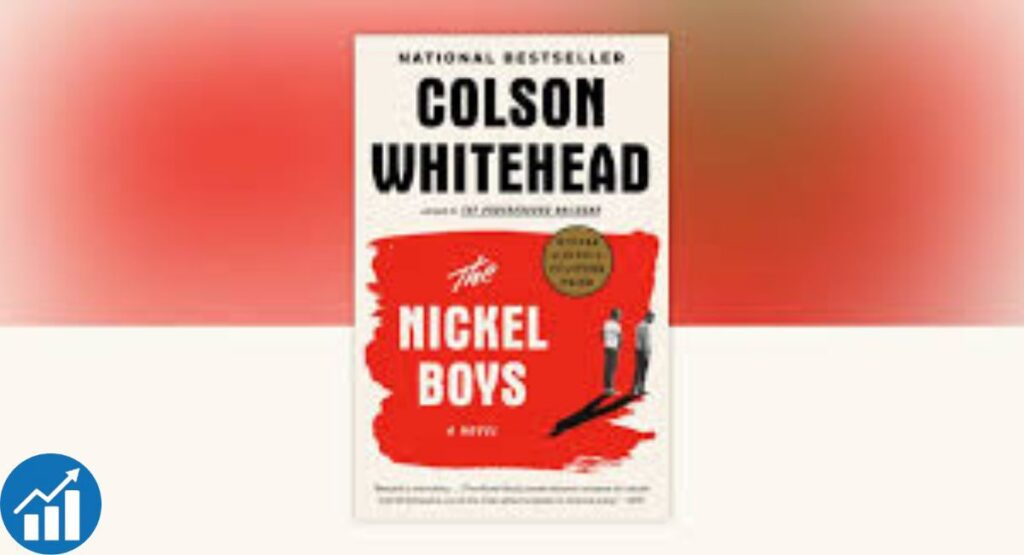
The Nickel Boys focuses on a reform school inspired by the real Dozier School for Boys in Florida. The novel shows abuse through the eyes of young boys caught in a brutal system. It’s spare, direct, and difficult to forget.
Educators often choose this book because it invites discussion without exaggeration. The facts behind the story are real, and the emotional weight comes from restraint rather than shock.
Writing Style and Themes
Whitehead’s style is controlled and precise. He avoids long speeches and lets scenes do the work. His language stays clear, even when the subject matter feels heavy.
Common themes appear across his books:
- How systems shape individual lives
- The cost of silence
- Survival under pressure
- The gap between history and memory
He doesn’t repeat himself. Each book stands on its own, which keeps long-time readers engaged.
Awards and Recognition

Whitehead’s awards confirm his standing in American literature. He won the Pulitzer Prize for Fiction in 2017 for The Underground Railroad and again in 2020 for The Nickel Boys. Few authors share that distinction.
Other honors include major literary awards and long-term recognition from universities and libraries. His books often appear on required reading lists, especially in courses on modern American literature and racial history.
Why Colson Whitehead Matters Today
His work matters because it makes history readable without simplifying it. Readers see how past systems still echo in the present. That connection keeps his novels relevant beyond their publication year.
In classrooms, his books support discussion rather than closure. In public conversation, they offer context without preaching. That balance explains his broad reach across age groups and reading levels.
Colson Whitehead Net Worth Explained
Colson Whitehead’s net worth is estimated between $5 million and $10 million. This range reflects long-term book sales, publishing advances, and screen adaptations. Like most authors, his income builds over time rather than arriving all at once.
His earnings come from several sources:
- Royalties from book sales
- Advances from publishers
- Television and film rights
- Paid speaking events
Exact figures aren’t public, but the estimate aligns with industry norms for writers with similar reach and awards.
| Source of Income | Estimated Earnings / Notes |
|---|---|
| Book Royalties | Income from sales of novels including The Underground Railroad, The Nickel Boys, Harlem Shuffle |
| Publishing Advances | Payments from publishers for new books |
| Film & TV Adaptations | Rights for adaptations of The Underground Railroad and other works |
| Speaking Engagements | Paid lectures, literary events, and panels |
| Total Estimated Net Worth | $5 million – $10 million |
How Authors Like Whitehead Earn Money
Many readers assume authors earn mainly from bestsellers. In reality, income spreads across multiple streams. Awards raise visibility, which leads to steady sales over years.
Adaptations also play a role. The screen version of The Underground Railroad brought new readers to the book, which often boosts long-term sales rather than short-term spikes.
Academic and Cultural Influence
Whitehead’s novels appear in high school and college syllabi worldwide. Teachers use them to discuss narrative voice, historical context, and ethical choices. His work fits literature, history, and cultural studies courses.
Critics often point out how his books resist easy conclusions. That quality makes them useful for essays and discussion rather than simple summaries.
Comparisons to Other Authors
Readers often compare Whitehead to Toni Morrison for historical depth and moral focus. Others mention James Baldwin or Ta-Nehisi Coates due to shared themes around race and identity.
The difference lies in form. Whitehead stays rooted in the novel, using structure and plot to carry meaning. Essays play a smaller role in his career.
Common Reader Questions and Misunderstandings
Some readers expect fast pacing or clear heroes and villains. Whitehead rarely offers that. His characters live in gray areas, shaped by forces larger than themselves.
Another misunderstanding involves accuracy. His books are not history textbooks. They’re stories built on research, meant to show how history feels, not just what happened.
How to Start Reading Colson Whitehead
For most readers, this path works well:
- Start with The Underground Railroad
- Follow with The Nickel Boys
- Try Harlem Shuffle to see his range
This order shows his growth without overwhelming new readers.
Adaptations and Media Presence
Several of Whitehead’s works have been adapted for screen. These projects often bring his writing to new audiences. They also increase interest in the original novels rather than replacing them.
Media coverage tends to focus on his awards, but interviews often reveal his practical approach to writing. He speaks about work habits more than inspiration.
Lasting Impact on Modern American Literature
Whitehead’s influence shows in how newer writers approach historical fiction. Many now focus on lived experience rather than grand timelines. His success proved that serious novels can reach wide audiences.
Libraries, schools, and book clubs continue to return to his work. That repeat attention matters more than short-term buzz.
FAQs
Is Colson Whitehead still alive?
Yes, Colson Whitehead is alive and continues to publish new work.
How many Pulitzer Prizes has Colson Whitehead won?
He has won two Pulitzer Prizes for Fiction.
What genre does Colson Whitehead write?
He mainly writes historical and literary fiction.
What should I read first by Colson Whitehead?
Most readers start with The Underground Railroad.
Is Colson Whitehead taught in schools?
Yes, his books are widely taught in high schools and universities.
Are Colson Whitehead’s books based on real events?
They’re fictional stories rooted in real historical settings.
What is Colson Whitehead’s estimated net worth?
His net worth is estimated between $5 million and $10 million.
Conclusion
Colson Whitehead stands out because his novels respect the reader’s intelligence. He tells difficult stories without shortcuts, and that honesty keeps his work relevant. Whether read for study or personal interest, his books leave a lasting mark.